Why Choose a Packaging Boxes Manufacturer?
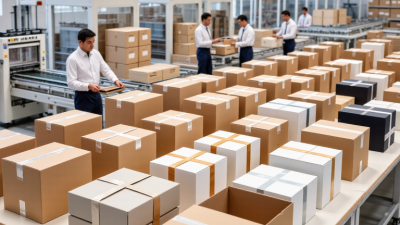
Choosing a packaging boxes manufacturer is more than a sourcing decision. It affects how products travel, arrive, and are experienced by customers. A well-designed box can protect fragile goods, reduce wasted space, and keep a brand’s message clear. Think of a corrugated carton holding its shape after a long warehouse journey, or a neatly fitted insert preventing a glass bottle from knocking against the sides. Small details matter.
The market is substantial. Smithers’ report, The Future of Global Packaging to 2028, projects continued growth in global packaging, with the market approaching $1.2 trillion by 2028. That scale brings opportunity, but it also makes supplier selection important. A capable manufacturer can advise on board grade, print methods, box dimensions, and production quantities. Ask for samples and specifications, not just a low quote. Then check whether the proposed design works with your product and shipping process.
Packaging educator Walter Soroka, author of Fundamentals of Packaging Technology, describes packaging as “the science, art, and technology of enclosing or protecting products for distribution, storage, sale, and use.” This definition captures why a specialist can add value beyond simply making cartons. Still, no supplier is perfect. Samples may look different from a finished production run, and an attractive design may use more material than necessary. Those are reasons to ask questions early. For a business comparing cost, protection, presentation, and repeatability, a reliable packaging boxes manufacturer can help turn those trade-offs into practical choices.
What a Packaging Boxes Manufacturer Does
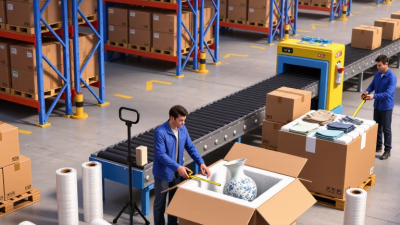
A packaging boxes manufacturer turns product requirements into a box that can be produced consistently. The work begins with dimensions, weight, fragility, stacking height, and shipping route. Engineers choose a board grade and flute profile, then create a cutting layout and sample. Small details matter. A few millimeters can affect fit, void fill, and pallet stability. Manufacturers may also check compression strength, print alignment, adhesive seams, and batch consistency before a full production run.
Material choices need evidence, not assumptions. The U.S. Environmental Protection Agency reported that corrugated boxes generated 33.3 million tons of waste in 2018, with 96.5% recycled. That figure highlights the value of recoverable fiber, but it does not prove that every box is sustainable. The OECD reported that packaging accounted for 40% of plastic waste generated worldwide in 2019; this figure covers plastic packaging, not corrugated board. A manufacturer can help reduce unnecessary material and finishes, while explaining trade-offs clearly.
The role also includes coordinating prototypes, print files, production schedules, and quality checks. Ask for samples that reflect the actual product and shipping conditions, not just an empty display box. Lighter is not always better: a box that fails in transit can waste more material. And a polished sample can hide production problems. Reliable specifications and checks across multiple batches matter.
How Manufacturers Turn Packaging Needs into Box Designs
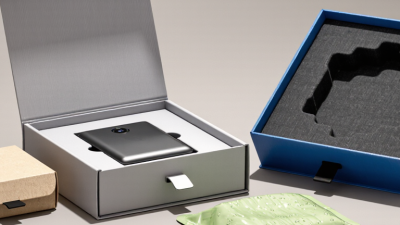
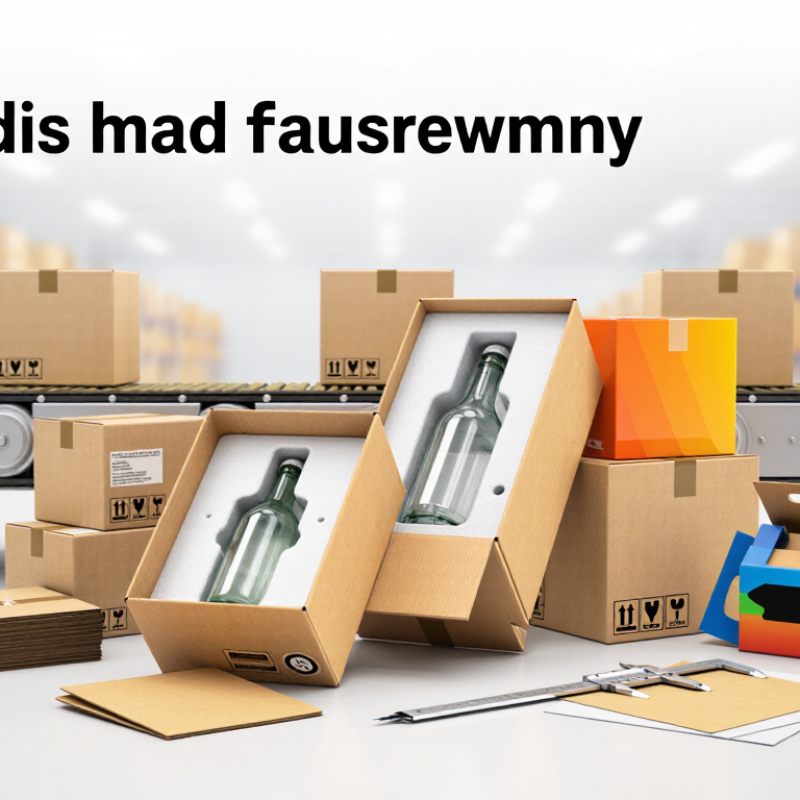
Manufacturers turn packaging needs into box designs by asking how products are handled, stored, and shipped. A useful brief includes product dimensions, weight, fragility, order quantity, and any space limits on shelves or delivery vehicles. A small ceramic cup, for example, may need a snug insert to prevent movement, not simply a thicker outer box. Small details matter.
With those details, a designer selects a box style and board strength suited to expected loads. They map folds, closures, and inserts around the product, then create a sample for review. The sample can reveal awkward opening, excess material, or a fit that looked right on screen but feels wrong in hand. It happens. Measurements may need another round.
Practical checks help refine the design. A team can pack the actual product, stack filled boxes, and inspect corners after handling tests. These checks do not guarantee every journey will be smooth, but they can expose weak points before a larger run. Manufacturers may also compare material options, print placement, and assembly time, since a beautiful design that slows packing can create problems. Trade-offs are real. A clear discussion of budget, protection, and appearance gives the box a better chance of serving its purpose.
Materials and Production Methods Used for Packaging Boxes
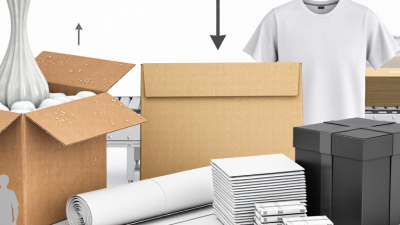
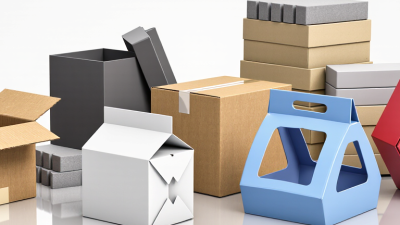
Packaging boxes begin with a practical question: what must they protect? Lightweight paperboard suits cosmetics, folded garments, and small retail items. Corrugated board offers more cushioning for heavier goods or longer shipping routes. Its fluted center absorbs some impact. The right choice depends on product weight, stacking, and handling conditions.
A manufacturer may combine kraft liners with different flute profiles to balance strength and material use. Paper thickness matters, but thicker is not automatically better. Extra weight can increase shipping costs without fixing a poor box design. A simple sample test helps: pack the item, stack boxes, and check how corners hold up. Small details matter.
Production methods shape both appearance and performance. Die-cutting creates precise panels and inserts, while scoring helps folds stay clean instead of cracking. Flexographic printing can suit larger runs and simpler graphics; digital printing offers flexibility for shorter batches. Adhesive selection and drying time also affect seam strength. A box may look polished yet still need a better closure. Testing a filled sample is often more useful than judging an empty box. One limitation is worth noting: results can change with humidity, storage, and transport conditions.
Why Choose a Packaging Boxes Manufacturer?
Material choice matters: recycling outcomes vary across common packaging materials.
In 2018, the U.S. recycling rate was 68.2% for paper and paperboard, compared with 25.0% for glass, 34.1% for metals, and 8.7% for plastics. A packaging manufacturer can help businesses select materials and production methods suited to their packaging needs. Source: U.S. Environmental Protection Agency, National Overview: Facts and Figures on Materials, Wastes and Recycling.
Benefits of Working Directly with a Manufacturer
Working directly with a packaging boxes manufacturer shortens the path from brief to sample. You can discuss board grade, flute profile, dimensions, print coverage, and insert fit with the production team. A physical prototype can reveal problems a drawing misses, such as a loose product fit or crushed corners after stacking. Small details matter.
Direct contact also makes cost discussions more specific. Ask for a breakdown of tooling, setup, minimum order quantity, and freight, then compare options using the same specifications. The manufacturer may suggest a smaller box or different board strength, but request transit testing before approving a change. Not every lighter box survives handling.
Material choices deserve similar scrutiny. The OECD’s Global Plastics Outlook (2022) reports that packaging accounted for 40% of plastic waste generated worldwide in 2019. That figure covers packaging broadly, not just boxes, but it highlights why material efficiency matters. Work with the manufacturer to compare recycled-content board, right-sized dimensions, and protective performance. Trade-offs remain: a box that uses less material but causes more product damage may not be the better choice. Ask for test results and clear specifications, rather than relying on a sustainability claim alone.
How to Evaluate and Choose a Packaging Boxes Manufacturer
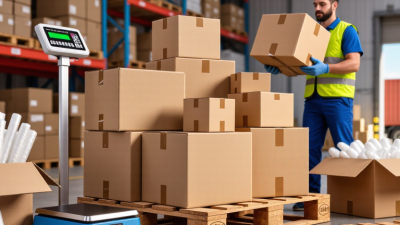
A packaging boxes manufacturer should be evaluated on more than price. Start with the box itself: check board thickness, folding accuracy, print clarity, and how securely the flaps close. Ask for a sample made with the same material and finish as your planned order. Place your product inside, stack several boxes, and inspect them after handling. Small details matter.
Discuss production capacity, lead times, and quality checks with the manufacturer. Ask how defects are recorded and what happens when a batch falls short. Clear answers are more useful than broad promises. Request a written quote showing material specifications, dimensions, setup charges, and delivery terms. Compare quotes on equal specifications, not just on the lowest number. A simple checklist helps.
Communication is part of the evaluation, too. Notice whether questions receive specific answers and whether changes are confirmed in writing. If possible, speak with a current customer about consistency and problem-solving. No supplier is flawless. A delayed sample or unclear reply deserves a closer look, though one issue alone may not tell the whole story. Choose a manufacturer that can explain its process, show relevant samples, and discuss limitations openly.