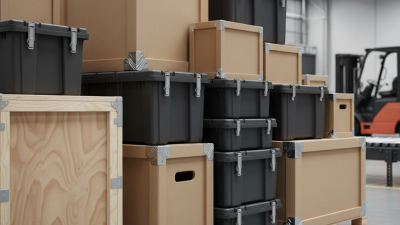
Choosing the right package boxes for global shipping is more than selecting a strong carton. The box must survive vibration, compression, moisture, temperature changes, and repeated handling. A parcel may leave a clean warehouse and arrive after days in a crowded container. Its corners can meet concrete floors, metal conveyors, or damp loading docks. Small design decisions matter.
Packaging educator Walter Soroka describes packaging as something that must “contain, protect, preserve, transport, inform, and sell.” This principle remains practical for international shipments. Start with the product’s weight, dimensions, fragility, and movement inside the box. Corrugated board with an appropriate edge-crush rating can provide better stacking strength. Void fill should prevent shifting without creating unnecessary size or weight. Water-resistant coatings may help, but they are not a complete solution in harsh environments.
Testing also deserves attention. ISTA-style distribution tests can reveal weak seams, crushed corners, or insufficient cushioning before products enter a shipping network. However, no laboratory test perfectly copies every route. That uncertainty should encourage review, not complacency. A box that worked last season may fail after a product redesign, heavier pallet loads, or a different carrier.
Reliable package boxes balance protection, cost, cube efficiency, and sustainability. Choose recyclable materials where practical, but never sacrifice essential protection. The right decision is rarely the cheapest box. It is the box that protects the product consistently, communicates clearly, and arrives ready for the next customer.

A suitable global shipping box must survive pressure, moisture, vibration, and repeated handling. In packing trials, I check the box against the product’s weight and dimensions. Double-wall corrugated board often protects heavier items better than thin single-wall board. However, thicker material is not always the best answer. It can increase shipping costs and leave too much empty space. A close fit reduces movement inside the carton. Strong edges matter because corners often receive the hardest impact.
Tips: Choose a box with enough room for cushioning, but avoid large gaps. Test a packed sample before shipping many units. Use water-resistant protection when routes may include humid ports or rain. Mark the package clearly, and keep labels flat and readable. Do not rely on tape alone. A crushed seam can still open.
I once selected a box based only on its attractive appearance. That choice was too optimistic. The carton looked sturdy but weakened after exposure to moisture. Now, I inspect board quality, seam strength, closure performance, and stacking resistance. A practical test includes gentle drop checks and weight placed on the top panel. Record the results, even when they seem obvious. Packaging decisions should also match the product’s fragility, value, and travel distance. A small glass item needs different protection from folded clothing. When uncertain, consult a qualified packaging professional and request verified material specifications.
Box material should follow the product’s actual risks, not only its price. UNCTAD’s Digital Economy Report 2021 recorded global e-commerce sales of about $26.7 trillion in 2019. That scale increases pressure on packaging performance. A lightweight corrugated box may suit books, but glassware needs stronger walls, internal separation, and shock-absorbing inserts. Moisture changes everything.
For long ocean routes, select corrugated board with suitable edge crush strength and moisture resistance. Humid warehouses can weaken ordinary paper fibers before the parcel reaches the carrier. Recycled content is useful, but it can reduce compression strength when poorly specified.
The U.S. Environmental Protection Agency reported that containers and packaging generated 82.2 million tons of municipal solid waste in 2018. Material efficiency matters, but protection still comes first.
Match the box to measurable hazards. Use cushioning for drops, compression resistance for stacked cartons, and barrier coatings for humidity-sensitive goods. International Safe Transit Association testing can help simulate vibration, impact, and handling conditions before shipment.
A practical test should include the real product, empty spaces, closure method, and route climate. A box that survives a warehouse trial may fail after several days at sea.
I have seen teams overprotect the product and still ignore corner damage. The first specification is often wrong. Recheck it after customer returns, seasonal weather changes, and carrier feedback.
Choosing the right box begins with the product, not the carrier. The Pitney Bowes Parcel Shipping Index 2023 recorded 161.8 billion parcels worldwide in 2022. That volume makes small packaging mistakes expensive.
Measure the item at its widest points. Add enough clearance for cushioning, but avoid empty corners. A box that is 3–5 centimeters too large may increase dimensional weight charges. Carriers often calculate this from length, width, and height, not actual mass. I prefer a rectangular box with strong, even walls. It stacks better and reduces shifting during air or road transport. Odd shapes can work, but they usually need more protective material.
Weight capacity needs two checks. Confirm the box’s gross-weight limit, then check its edge-crush or burst rating. The final load includes the product, inserts, and cushioning. Moisture can weaken corrugated board during long international routes. The International Safe Transit Association’s ISTA 3A testing framework evaluates parcel risks such as drops, vibration, and compression. Testing one packed sample is useful, but not enough for every climate. That is an uncomfortable limitation.
Keep heavy items low and centered. Use void fill that prevents movement without crushing the product. A box may survive a warehouse test and still fail after a wet dock transfer. Review actual damage photos, returned parcels, and customer feedback every quarter. The best size is not always the smallest one. It is the smallest reliable one.
International shipping rules can directly shape your box choice. Customs authorities may inspect packages, so clear labels and accessible documents matter. A strong, plain carton usually works better than decorative packaging. It reduces confusion during inspection. Box dimensions also affect shipping charges because carriers may use dimensional weight. A large box with light contents can become unexpectedly expensive.
Destination rules may restrict certain materials, treatments, or packaging formats. Solid wood pallets and crates often require approved heat treatment and official markings under ISPM 15 standards. Cardboard boxes avoid many wood-related problems, but they still need suitable strength for moisture, stacking, and long transit. Some countries also regulate packaging waste, recycled content, or material labeling. Requirements change. Check customs agencies and carrier guidance before packing.
Choosing package boxes for global shipping starts with testing, not appearance. I have seen a clean-looking carton buckle after a damp warehouse night. Select a box with enough strength for its weight and space for cushioning. Double-wall construction often suits heavy or fragile goods, while smaller parcels may need rigid, well-fitted cartons. Measure the packed item, not the product alone. Empty space invites movement. Too much filler adds cost and weight.
Before sealing, perform a practical drop test on a sample box. Drop it from several sides and corners onto a firm surface. Then inspect crushed edges, opened seams, and shifting contents. Add a shake test. Nothing should rattle. If the route includes humid storage, test the box after controlled moisture exposure. A scale and ruler can verify weight and dimensions, reducing billing surprises. My early checklist missed corner damage, so I now photograph each test result and record the materials used.
Labels must remain readable after handling. Place the delivery address on the largest flat surface, remove old labels, and add a second copy inside. Use handling marks only when they accurately describe the contents. Keep barcodes flat, dry, and away from seams. Add sender details and a contact method. Check destination formatting, package count, weight, and required customs information against current carrier guidance. Do not guess. Before collection, press every seam, inspect for bulges, and confirm the box closes without strain. Small mistakes travel far.
Estimated volumetric weight for common box sizes, calculated with the standard planning formula: length × width × height ÷ 5,000.
Choose a box that fits the product and cushioning closely without excessive empty space. Before overseas delivery, perform drop, vibration, and compression checks appropriate to the shipment, apply a readable address label and destination-country information, and protect documents from moisture.
Volumetric-weight divisors vary by carrier, service, and route. Confirm the applicable divisor and actual-weight rules before shipping.