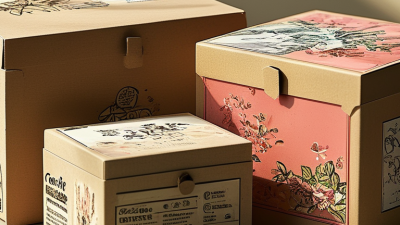
How to Choose Packaging Supplies Boxes for Global Shipping
Choosing the right packaging supplies boxes can determine whether an international shipment arrives intact or becomes an expensive lesson. A box may look strong in a warehouse, yet fail after vibration, humidity, stacking, and repeated handling. Global shipping exposes packaging to long journeys, changing climates, and crowded transport networks. Every choice matters.
Start with the product’s weight, dimensions, fragility, and sensitivity to moisture. A ceramic item needs cushioning and controlled movement, while clothing may require less rigid protection. Double-wall corrugated boxes often provide better resistance for heavier goods. However, thicker material is not automatically safer. It can increase size, freight costs, and unnecessary waste. Measure the packed product, not only the product itself.
Test before trusting.
Place the item inside the box with suitable cushioning, leaving no large empty spaces. Check whether corners remain protected when the package is moved or stacked. Practical trials, such as controlled drop and compression tests, reveal weaknesses that appearance can hide. Packaging professionals should also consider clear labels, secure sealing, pallet compatibility, and reliable moisture protection. Requirements vary by carrier and destination, so current shipping guidance deserves careful review. Do not assume one design fits every route.
A dependable packaging decision balances protection, cost, sustainability, and handling efficiency. Some packaging choices still involve compromise. A smaller box may reduce freight charges but leave less room for cushioning. A recyclable material may perform differently in wet conditions. Record test results, inspect damaged returns, and improve the design over time. That evidence builds confidence and supports more consistent global shipping performance.
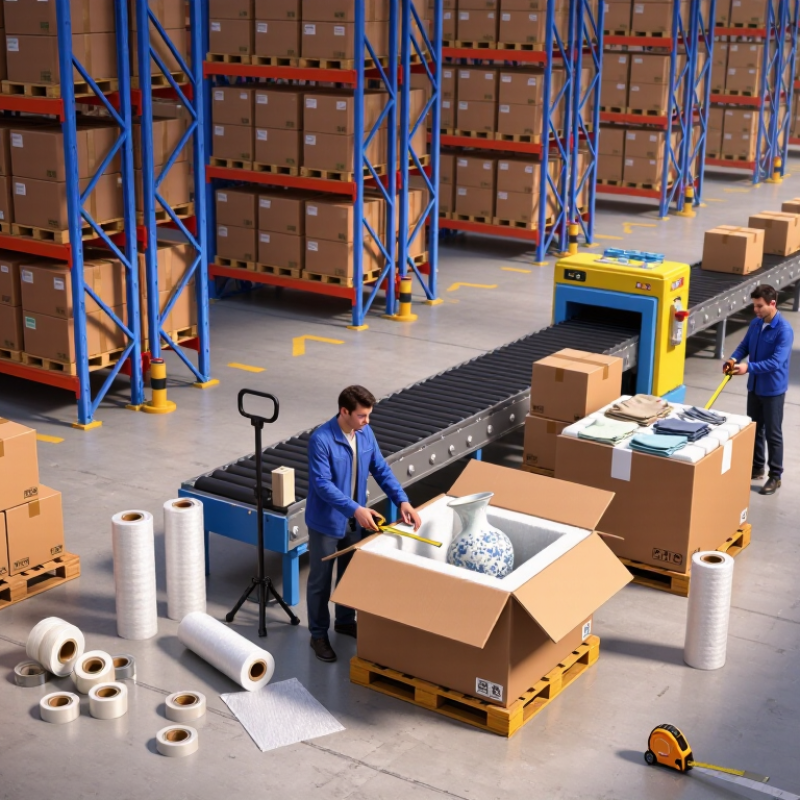
Define Shipping Requirements and Packaging Performance Goals
How to Choose Packaging Supplies Boxes for Global Shipping
Global shipping starts with clear risk definition, not a box size. Record the product’s weight, dimensions, center of gravity, and fragile points. Note the route. Air freight may involve repeated loading, vibration, and sudden drops. Ocean transport can expose cartons to humidity, compression, and long storage periods. Road delivery adds sharp turns, braking, and uneven surfaces. These conditions should shape the packaging requirements.
Set measurable performance goals before selecting packaging supplies. Decide the maximum acceptable drop height, stacking load, moisture exposure, and product movement inside the box. A practical design may require a rigid outer carton, internal cushioning, and sealed seams. Keep the packed weight manageable for warehouse handling. Oversized boxes waste space and may increase shifting during transport. Small boxes can crush when stacked.
Test a sample under realistic conditions. Use a recognized drop, vibration, and compression protocol when possible. Inspect corners, closures, cushioning, and the product itself after testing. In warehouse trials, I have seen strong cartons fail because the inner item moved only a few centimeters. That detail matters. I also once focused too heavily on drop protection and overlooked humidity. The result was softened board and poor stacking strength. Packaging plans need revision. Review damage records, seasonal weather, and carrier handling patterns regularly. A box that performs well on one route may need different protection elsewhere.
How to Choose Packaging Supplies Boxes for Global Shipping
Define shipping requirements and packaging performance goals before selecting box materials, strength, and protective features.
The planning index ranks common global-shipping requirements from 1 to 5, where 5 indicates the highest packaging priority.
Handling impact, compression, moisture exposure, dimensional efficiency, and product protection should be evaluated together when choosing corrugated boxes and internal cushioning.
Compare Box Materials, Strength Ratings, and Protective Features
Global shipping exposes boxes to compression, vibration, drops, and humidity. The Pitney Bowes Parcel Shipping Index 2023 recorded 161.8 billion parcels worldwide in 2022. That volume makes material selection a practical risk decision, not a design detail.
Single-wall corrugated board suits light products and shorter routes. Double-wall board offers better stacking strength for heavy items or long journeys. Recycled kraft board lowers material impact, but moisture can weaken it quickly. The Fibre Box Association reports that corrugated containers carry about 90% of shipped products in North America. Check the box’s Edge Crush Test rating, such as 32 ECT or 44 ECT. ECT measures stacking resistance, while burst strength better reflects puncture resistance. They are not interchangeable. I sometimes over-specify the board, which adds cost and empty weight.
Protection must match the product. Use molded pulp for shaped items, foam corners for fragile edges, and paper cushioning for small movement gaps. Leave no loose space. A box that rattles is already a warning. Water-resistant coatings help during rain, condensation, and port storage, but they cannot fix poor sealing. For international routes, test the complete packed unit under ISTA 3A procedures, including drops, vibration, and compression. Record the results and inspect damaged corners. The test may still miss real warehouse abuse. That limitation deserves attention.
Select Box Dimensions Based on Product Size and Shipping Method
Choosing box dimensions starts with the product, not catalog convenience.
Measure the packed length, width, and height, including corner protection. Leave only enough clearance for cushioning. Excess space increases movement, material use, and dimensional charges.
The United Nations Environment Programme estimated 430 million tonnes of plastic were produced annually in its 2023 report.
The U.S. Environmental Protection Agency recorded 82.2 million tons of containers and packaging in municipal waste in 2018.
Match the box to the shipping method.
Air parcels are often rated by dimensional weight, calculated from length, width, and height. Confirm the divisor, rounding rules, and destination limits before ordering cartons. For ocean freight, prioritize stackable footprints, pallet compatibility, and compression strength. For road or postal networks, check published length-and-girth restrictions.
The International Safe Transit Association’s 3A protocol uses vibration, shock, and compression tests. Apply it to fragile or frequently handled shipments.
My packing tests showed that a snug box reduced movement, but rigid corners still needed clearance.
I once selected a smaller carton and forgot the seasonal insert. It failed the fit test. Measure the final configuration. Record packed dimensions and actual weight from several samples, not one ideal unit. Compare billed weight with scale weight before approving a size.
Recheck after humid storage because corrugated board can soften. Perfect dimensions are not permanent.
Check International Regulations, Labels, and Sustainability Standards
Choosing a box for global shipping involves more than measuring the product. Destination rules can affect materials, markings, documentation, and import clearance. Check the official customs guidance for each country before purchasing large quantities. Requirements change, and old warehouse advice may no longer be reliable.
Labels should remain readable after rain, friction, and repeated handling. Include the recipient’s full address, country of origin, package weight, and required customs information. Use handling symbols only when they communicate a genuine need. A test shipment can reveal problems that a packing table hides. For example, a label may look clear indoors but become unreadable after condensation. Confirm whether local authorities require specific languages, formats, or declarations. A carrier’s checklist helps, but it should not replace official sources.
Sustainability standards also deserve careful attention. Select boxes with recycled content, responsible fiber sourcing, or verified environmental claims. Avoid vague words such as “green” without supporting evidence. Right-size the box to reduce empty space, cushioning, and transport emissions. However, using less material can weaken protection, creating waste through damage and replacement shipments. That trade-off is easy to underestimate. Measure box strength, moisture resistance, and recovery options in the destination market. Some regions accept certain fiber materials widely; others have different recycling infrastructure. Document your material specifications and review them regularly, especially when suppliers or shipping routes change.
Test, Pack, and Optimize Boxes for Global Transport Conditions
A box for global shipping must survive more than warehouse stacking. It may face vibration, compression, humidity, rain, and repeated handling. The World Bank’s Logistics Performance Index 2023 covered 139 economies and highlighted major differences in supply-chain reliability. Your carton needs a safety margin for the weakest route, not the smoothest one.
Test before committing to volume. Use ASTM D4169 or ISTA transit-testing procedures to simulate drops, vibration, compression, and atmospheric conditioning. Measure corner crush, seam failure, product movement, and moisture-related softening. A practical trial uses the real product, cushioning, labels, and closure method. Test cartons after cold storage and high humidity. Many failures appear there. One test is not enough.
Optimize with evidence, not appearance. Record box weight, internal clearance, damage rate, and packing time. Reduce empty space, but do not force products against the walls. UNEP’s 2023 Turning off the Tap report says global plastic pollution could be reduced by 80% by 2040, reinforcing the value of material efficiency. Still, lighter packaging can fail faster. I have seen attractive designs collapse after damp storage. Retest every size change, supplier change, or stacking pattern. A small pilot shipment may reveal more than a perfect laboratory assumption.