What Are the Types of Packaging Boxes?

Packaging boxes do more than hold products. They protect contents, support branding, and influence how customers judge quality. The right box can prevent crushed corners, moisture exposure, and unnecessary movement during transport. However, choosing one requires more than selecting an attractive shape. Product weight, dimensions, fragility, storage conditions, printing needs, and delivery distance all matter.

This guide explains the packaging boxes commonly used across retail, shipping, food, electronics, and e-commerce. It examines corrugated cartons, folding cartons, rigid boxes, mailer boxes, die-cut designs, and specialty formats. Each type offers practical strengths, but none is perfect for every product. A lightweight folding carton may suit cosmetics, while a corrugated box can provide stronger protection for heavier goods. Small details matter. A loose product may need inserts, cushioning, or a tighter internal fit.

Reliable packaging decisions usually come from testing, not assumptions. Professionals often review compression resistance, stacking performance, closure quality, and material thickness before approving a design. Sample testing can reveal problems that look invisible on a screen. Even experienced teams sometimes overlook opening comfort or waste reduction. That is worth questioning. Cost, appearance, protection, sustainability, and production speed can conflict. Understanding these trade-offs helps buyers, designers, and manufacturers select boxes with greater confidence and fewer expensive surprises.
What Are the Types of Packaging Boxes?

What Are Packaging Boxes and What Purposes Do They Serve?

Packaging boxes are containers designed to hold, protect, and present products during storage, handling, and delivery. They may be made from corrugated board, folding carton stock, rigid paperboard, or molded fiber. Each material serves a different purpose. Corrugated boxes absorb impact well. Folding cartons suit lightweight retail items. Rigid boxes provide a firmer, more structured presentation.

Protection is often the main purpose. A well-designed box limits crushing, moisture exposure, abrasion, and movement inside the package. Inserts, dividers, and cushioning materials help keep products stable. Dimensions matter. Too much empty space increases shifting, while a tight fit may create pressure damage. In practical packing tests, drop height, stacking weight, and closure strength should be checked before regular use. Small flaws become expensive during transport.

Packaging boxes also support handling and communication. Clear labels can show contents, quantity, orientation, or storage needs. A box with useful hand holes may reduce strain for workers. Clean printing can improve recognition, but appearance should never replace protection. A beautiful box can still fail. Material efficiency matters, too. Using fewer layers may reduce waste, yet weak construction can cause more damage and replacement. That balance requires testing, not guesswork. Even experienced teams sometimes choose a box by appearance first, then discover that the corners collapse.

What Are the Types of Packaging Boxes?

What Are Packaging Boxes and What Purposes Do They Serve?

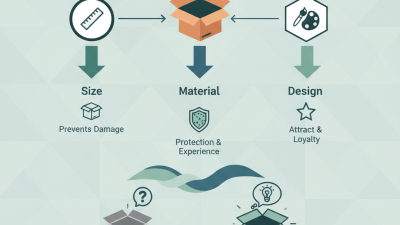
Packaging boxes are containers designed to protect, group, transport, store, and present products. The chart compares common box types by their typical suitability for product protection, shipping strength, shelf presentation, and storage or reuse. Ratings use a 1–3 scale, where 1 means limited suitability and 3 means strong suitability.

Folding cartons are lightweight and well suited to retail presentation, while corrugated and mailer boxes provide stronger protection during shipping. Rigid setup boxes offer a premium presentation, and die-cut boxes are useful when a customized shape or fitted structure is required.

How Are Packaging Boxes Classified by Structure and Use?

What Are the Types of Packaging Boxes?

How Are Packaging Boxes Classified by Structure and Use?

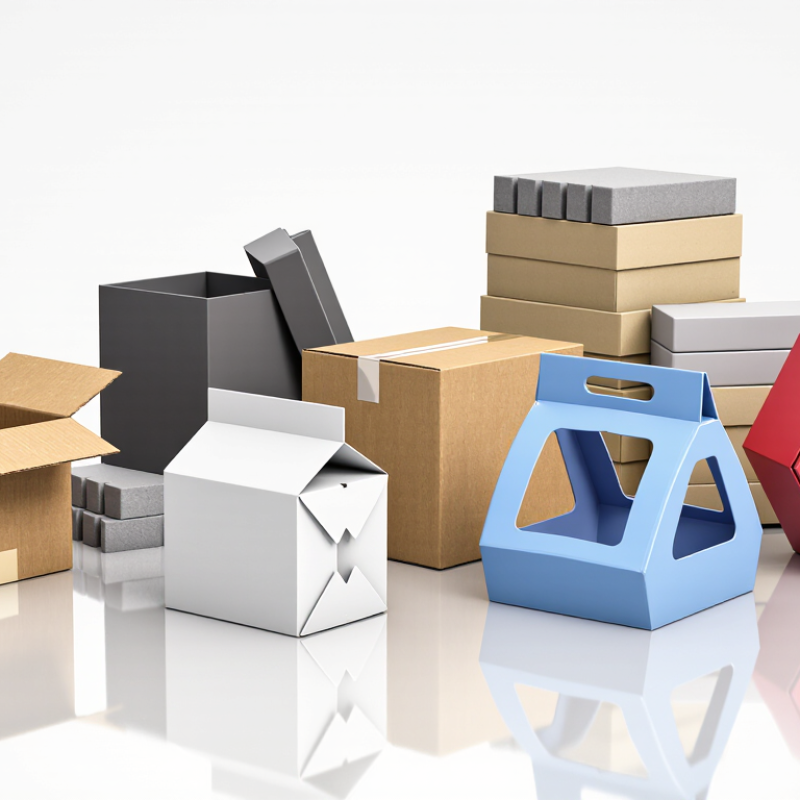
Packaging boxes are best classified by structure, not appearance alone. Corrugated boxes use fluted paper between outer liners. They provide cushioning and resist stacking pressure during transport. Folding cartons use one flat sheet, often paperboard, cut and creased into shape. They suit lightweight products and retail shelves. Rigid boxes have thicker walls and stronger panels. They protect delicate items and create a more substantial unboxing experience.

Structure also includes opening style and internal support. Regular slotted containers close with folding flaps and work well for general shipping. Mailer boxes use interlocking panels, so extra tape may be unnecessary. Die-cut boxes offer unusual shapes or built-in handles. Dividers, inserts, and molded supports separate fragile products inside. A small glass item may need more internal protection than a larger, tougher object.

Use determines the final choice. Shipping boxes need compression strength, accurate sizing, and resistance to handling. Display boxes prioritize clean printing, easy access, and shelf stability. Product boxes may require a tight fit, tamper evidence, or moisture-resistant materials.

In practical testing, a box should face drop, vibration, and stacking checks. A design can look efficient on paper but fail at the corners. There is no perfect format. Material waste, assembly time, and storage space deserve equal attention.

My own preference is simple: measure the product, test the filled box, then revise the structure.

What Are the Main Types of Packaging Boxes?

The main types of packaging boxes are corrugated boxes, folding cartons, rigid boxes, and paperboard mailers. Each serves a different job. Corrugated boxes use fluted paper between liners, giving them strength for stacking and shipping. They suit warehouse handling, online orders, and heavier products. Smithers’ The Future of Global Corrugated Packaging to 2029 estimates that the worldwide corrugated market will exceed 200 billion dollars by 2029. That scale reflects demand, not automatic suitability. Fit matters.

Folding cartons are lightweight, printable, and shipped flat. They commonly hold dry goods, cosmetics, and small retail items. Rigid setup boxes have thick panels and a premium, protective feel. They work well where presentation matters, but they consume more material and storage space. Paperboard mailers combine a compact format with easy opening. In practice, the best choice depends on product weight, moisture, drop height, and shelf display.

The U.S. EPA’s 2018 Facts and Figures report recorded 67.2 million tons of paper and paperboard containers and packaging. It reported an approximately 70 percent recycling rate for that category. Still, recyclability depends on coatings, adhesives, contamination, and local collection systems. I would not choose a box from appearance alone. A small trial can reveal crushed corners, loose lids, or wasted void space. That hands-on check is often more reliable than a neat specification sheet.

What Are the Types of Packaging Boxes? - What Are the Main Types of Packaging Boxes?

Packaging Box Type Typical Material Structural Features Common Applications Main Advantages Typical Limitations Protection Level Recyclability
Folding Carton Paperboard, commonly bleached or unbleached fiberboard Flat-packed carton with scored folding panels and tuck or glued closures Dry food, cosmetics, pharmaceuticals, household products, and small consumer goods Lightweight, printable, space-efficient during storage, and suitable for high-volume production Limited resistance to moisture, compression, and heavy loads unless specially coated or reinforced Low to Medium Generally high when made from clean, unlaminated paperboard
Corrugated Box Containerboard with one or more fluted paper layers Fluted medium is bonded between linerboards; available in single-wall, double-wall, and heavier constructions Shipping, e-commerce, electronics, food distribution, and industrial products Good cushioning, stacking strength, low weight, and broad size availability Performance decreases when exposed to prolonged moisture or crushing; larger boxes require more storage space Medium to High Generally high if kept clean and separated from non-paper materials
Rigid Setup Box Thick paperboard, often wrapped with printed paper or fabric-like material Pre-formed box with fixed walls; may include a lift-off lid, hinged lid, or magnetic-style closure Premium gifts, jewelry, electronics, presentation sets, and specialty retail products Strong appearance, good dimensional stability, and a premium presentation experience Heavier, more expensive to ship, and less space-efficient because it is usually supplied assembled Medium to High Depends on coatings, magnets, fabric coverings, and mixed-material components
Mailing Box Corrugated fiberboard or sturdy paperboard Self-locking or tuck-in design that can be assembled without separate tape in some constructions Subscription deliveries, apparel, documents, small accessories, and direct-to-consumer shipments Easy to assemble, secure closure, attractive presentation, and efficient use of internal space May require additional cushioning for fragile or heavy products Medium Usually high when produced from recyclable fiber-based materials
Die-Cut Box Paperboard or corrugated board Cut and creased with a custom die to create precise shapes, tabs, windows, and locking features Custom retail packaging, promotional kits, food containers, and irregularly shaped products Flexible design options, accurate fit, reduced need for adhesive, and strong visual differentiation Custom tooling can increase initial costs; intricate designs may reduce production efficiency Low to High Generally high when made from a single recyclable fiber material
Shipping Crate Wood, plywood, plastic, or reinforced composite materials Rigid framed or panel construction, sometimes with internal blocking and bracing Heavy machinery, industrial equipment, fragile goods, and long-distance freight High structural strength, impact resistance, and suitability for heavy or oversized items Heavier and more expensive to handle; wood may require treatment for certain international shipments Very High Varies by material; untreated wood and many plastics can be recovered or reused
Plastic Folding Box Clear or opaque plastic sheets such as PET, PP, or PVC Folded or heat-formed body with locking tabs, hinged sections, or snap closures Small hardware, toys, stationery, personal-care products, and display-oriented goods Visibility, moisture resistance, durability, and good product presentation Recycling depends on the resin and local collection systems; some formats create more persistent waste Medium Varies by resin type and whether labels, coatings, or mixed materials are attached
Tube Box Spiral-wound paperboard, rigid paperboard, or plastic Cylindrical or polygonal body with removable, fitted, or hinged end closures Posters, cosmetics, specialty foods, candles, documents, and cylindrical products Distinctive shape, good protection against bending, and efficient use for long products Less efficient for palletizing and storage than rectangular boxes; end closures may add components Medium High for paper-based tubes without plastic or metal components; otherwise material-dependent
Partitioned Box Corrugated board, paperboard, molded fiber, or foam inserts Internal dividers create separate cells to prevent products from contacting one another Glass bottles, jars, laboratory items, electronics, and sets of small components Reduces movement, friction, and item-to-item contact during handling and transport Uses more material and may reduce usable internal volume; inserts can complicate packing High for multi-item protection High when partitions are made from paper or molded fiber; lower when foam or mixed materials are used
Insulated Box Corrugated outer box combined with molded fiber, foam, reflective film, or other insulation Multi-layer construction designed to slow heat transfer and protect temperature-sensitive contents Fresh food, meal kits, pharmaceuticals, biological materials, and frozen products Helps maintain a controlled temperature range during distribution when combined with suitable coolants Higher cost and material use; insulation and liners may complicate recycling High for thermal protection Varies widely according to insulation, liners, adhesives, and coolant components

Note: Protection, recyclability, and performance depend on the exact material grade, box dimensions, closure method, product weight, handling conditions, and local recycling infrastructure.

Which Materials Are Used to Make Packaging Boxes?

What Are the Types of Packaging Boxes?

Which Materials Are Used to Make Packaging Boxes?

Box construction starts with the material, not the artwork. Corrugated fiberboard remains widely used because its fluted layers absorb shocks during transport. Paperboard suits lighter products, including cosmetics, food cartons, and small household items. Molded pulp offers a shaped, paper-based option for protective inserts. It can replace some plastic components, but moisture resistance remains a weakness.

Plastic boxes provide strong moisture and impact protection. However, material selection needs more than a recycling symbol. The OECD’s Global Plastics Outlook reports that packaging created about 40% of global plastic waste in 2019. Wood and thin metal also serve specialized needs, especially for heavy, fragile, or moisture-sensitive goods. Smithers’ Future of Packaging to 2028 report values the global packaging market above one trillion US dollars, showing how small material decisions scale across industries.

Tips: Match the box to the product’s weight, humidity, and shipping distance. Test compression, drop resistance, and surface rubbing before production. A thicker box is not automatically safer. It may add cost and unnecessary material. Recycled fiber can reduce virgin resource use, yet its strength may vary between batches. Plastic can perform better in wet conditions, but recovery systems differ by region. There is no perfect material. Even experienced teams sometimes choose attractive packaging before measuring real transport damage. That order deserves reconsideration.

How Can You Choose the Right Packaging Box?

What Are the Types of Packaging Boxes?

Choosing the right packaging box starts with the product, not the appearance. Corrugated boxes suit shipping because their fluted layers absorb impacts and support stacking. Folding cartons work well for lightweight retail items and create a clean presentation. Rigid boxes offer stronger protection and a premium feel, but they usually require more storage space. Mailer boxes are practical for direct delivery, especially when products need quick opening and simple assembly.

How Can You Choose the Right Packaging Box?

Check the product’s weight, shape, fragility, and moisture sensitivity before selecting materials. A glass item may need cushioning, dividers, and a snug inner fit. Loose space allows movement, while excessive space increases material use and shipping costs. Measure the product with its protective inserts, not by itself. This small mistake can affect the final box size. I once chose a box that looked efficient, but its narrow opening slowed packing. That detail was easy to overlook.

Tips: Test a sample box before ordering in bulk. Place it under light stacking pressure and shake it gently. Inspect crushed corners, loose inserts, and difficult closures. Choose recyclable materials when practical, but confirm they still protect the product during transport. Ask a packaging specialist for advice when dimensions or handling conditions are unusual. Real-world testing matters more than attractive specifications. Test twice.