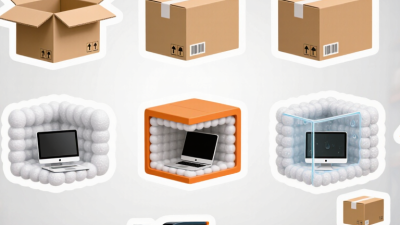
Choosing the right box can influence product safety, shipping cost, customer trust, and brand perception. A strong boxes package does more than hold an item. It controls movement, absorbs pressure, protects edges, and creates a clear opening experience. A corrugated mailer may suit an online order, while a rigid box can present jewelry, cosmetics, or premium electronics more effectively. Folding cartons often work well for retail shelves because they are lightweight, printable, and easy to store.
Philip Kotler, a respected marketing and packaging authority, wrote, “Packaging involves designing and producing the container or wrapper for a product.” His point remains practical. The box is part of the product experience. Material choice matters. A double-wall corrugated box feels firm in the hand. A kraft carton shows a natural texture. A magnetic rigid box opens slowly and deliberately. Small details can change perceived value.
Still, there is no universally perfect box. I have seen attractive packages fail because their inserts shifted during delivery. I have also seen plain cartons perform better because they used the correct dimensions. That detail is easy to underestimate. This guide examines the top types of boxes for packaging, including their structures, strengths, limitations, and suitable applications. It also considers protection, branding, sustainability, storage, and shipping efficiency. Some choices may appear obvious. They are not always. The best solution usually balances appearance with real handling conditions.
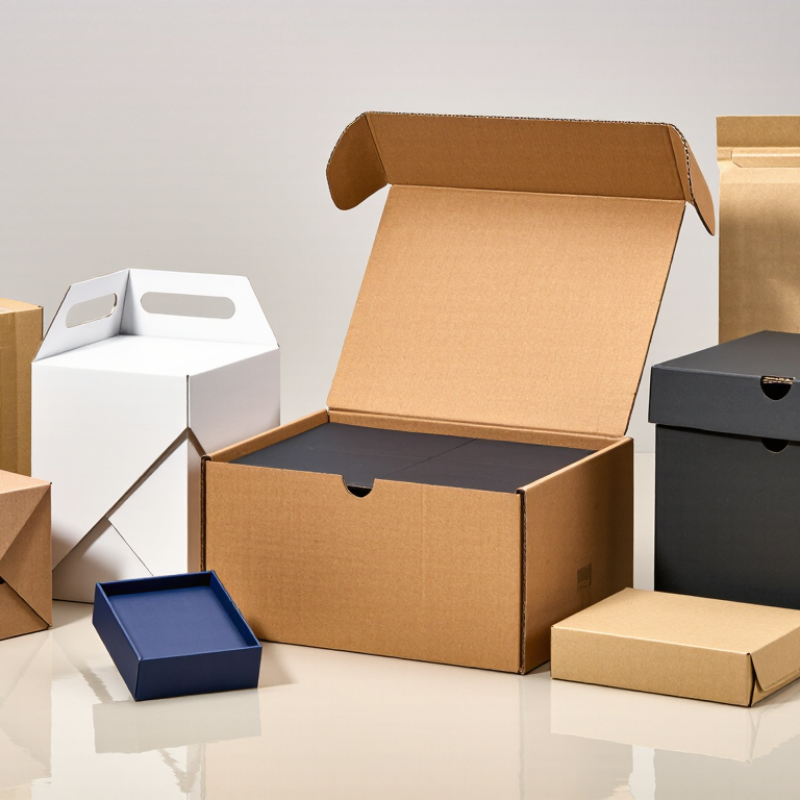
Packaging boxes serve different products, shipping conditions, and customer expectations. Folding cartons use lightweight paperboard and arrive flat, saving storage space. They suit cosmetics, snacks, stationery, and small household items. Their printed surfaces support product information and clear handling instructions. However, folding cartons offer limited protection against crushing and moisture.
Corrugated boxes provide stronger protection through fluted paper between outer liners. Single-wall versions handle many everyday shipments, while double-wall boxes support heavier goods and longer transport routes. Mailer boxes use a self-locking structure, so they need less packing tape.
Rigid boxes use thick boards and maintain their shape during display. They often fit premium items, gifts, and products needing a firm presentation. Small details matter. A tight fit reduces movement, but excessive pressure can damage corners.
Die-cut boxes can match unusual product shapes, although their custom tooling may increase costs. I have found that teams sometimes choose attractive boxes before testing stacking strength. That decision can create avoidable damage.
Box selection should consider product weight, dimensions, vibration, humidity, and storage time. There is no perfect box. The right design balances protection, material use, production limits, and customer handling.
What Are the Top Types of Boxes for Packaging?
How Do Corrugated Boxes Support Shipping and Storage?
Corrugated boxes protect products through layered paper construction. A fluted inner layer absorbs shocks between flat outer liners. This structure handles stacking pressure better than ordinary folding cartons. Box strength depends on flute size, paper grade, and edge crush rating. Heavier goods need stronger walls and reinforced corners. A snug fit also reduces movement during delivery. Loose items can strike the box repeatedly. That damage is easy to underestimate.
Tips: Choose a box slightly larger than the product. Leave room for cushioning, but avoid excessive empty space. Test the packed box with a short drop and stacking check. Check the bottom seam carefully. A strong box can still fail there.
For storage, corrugated boxes allow clean labeling and stable pallet arrangements. Keep them on pallets, away from damp floors and leaking walls. Moisture weakens paper fibers quickly. Store boxes flat until needed, and avoid heavy loads on uneven surfaces. Rotate older packaging materials before newer stock. In practical packing work, small errors often cause larger losses. An overfilled box may close, but its panels can bulge overnight. An underfilled box may collapse under another carton. I would also review packaging after seasonal humidity changes. Corrugated performance is reliable, but never automatic.
Folding cartons are often the best choice for retail products that need a clean appearance, efficient storage, and easy shelf display. Made from paperboard, they arrive flat and use less warehouse space than rigid boxes. A skincare set, tea box, small electronic accessory, or cereal package can fit neatly inside a printed carton.
Retail teams usually choose folding cartons when product weight is moderate and the package does not need heavy impact protection. A carton with a tuck-end closure can open quickly without tools. Die-cut windows can show the product, while matte or gloss finishes support different visual styles. However, appearance should not replace function. Weak paperboard may bend during transport or fail in humid storage areas.
In my packaging experience, the most reliable results come from testing the actual product inside a finished sample. Check the carton after stacking, opening, and handling it with dry hands. Small details matter. Measure the internal fit carefully, because excessive space may cause movement and damage. A tight fit can also crush corners. Folding cartons are not always ideal for fragile, heavy, or moisture-sensitive goods. In those cases, corrugated boxes, inserts, or protective coatings may perform better. A practical design can still look refined. Yet every material choice deserves review before production.
| Box Type | Typical Material | Delivered Form | Typical Product Weight | Best Retail Applications | Key Advantages | Main Limitations | Folding Carton Alternative? |
|---|---|---|---|---|---|---|---|
| Folding Carton | Paperboard such as solid bleached board, folding boxboard, or kraft-backed board | Shipped flat and folded along scored panels | Lightweight to medium-weight products | Cosmetics, dry foods, medicines, small electronics, toys, and household goods | Efficient storage, strong printability, relatively low material use, and easy shelf presentation | Limited resistance to heavy loads, moisture, and significant impact unless specially coated or reinforced | Best fit |
| Corrugated Box | Linerboard combined with one or more fluted paper layers | Usually shipped flat and assembled before use | Medium-weight to heavy products | Shipping cases, subscription deliveries, appliances, bulk goods, and fragile products requiring cushioning | Good stacking strength, impact protection, and broad availability in multiple flute profiles | Uses more material and space than a folding carton; surface graphics may be less refined unless specially printed | Sometimes |
| Rigid Setup Box | Thick paperboard wrapped with printed paper, fabric, or another covering | Delivered pre-formed and ready to fill | Lightweight to medium-weight premium products | Premium gifts, jewelry, fragrances, specialty foods, and presentation-focused products | High perceived value, strong structure, and excellent product presentation | Higher material, shipping, and storage costs because the box is usually not shipped flat | Rarely |
| Mailer Box | Folding corrugated board or durable paperboard with integral locking flaps | Shipped flat and folded into shape without separate tape in many designs | Lightweight to medium-weight products | Direct-to-consumer orders, apparel, books, accessories, and curated product sets | Quick assembly, good unboxing experience, and integrated closure options | Can require more board than a basic carton and may need internal protection for fragile items | Sometimes |
| Sleeve and Tray | Printed paperboard sleeve with a paperboard, molded-pulp, or plastic tray | Sleeve and tray may be supplied separately or partially assembled | Lightweight to medium-weight products | Food assortments, gift sets, cosmetics, small accessories, and products needing visible arrangement | Combines product visibility with a printable outer surface and organized presentation | The tray and sleeve may use different materials, complicating recycling and assembly | Sometimes |
| Tube or Cylinder Box | Spiral-wound paperboard, rigid paperboard, or composite board | Usually delivered in its finished cylindrical form | Lightweight to medium-weight products | Tea, confectionery, candles, cosmetics, posters, and cylindrical products | Distinctive shape, good compression resistance, and strong surface area for graphics | Less space-efficient for warehousing and transport than flat-packed rectangular cartons | Rarely |
| Plastic Display Box | Clear or translucent plastic sheet, often combined with a paperboard insert | Usually supplied formed or folded into a finished container | Lightweight products | Small hardware, collectibles, accessories, and products where visibility is important | Product visibility, dust protection, and retail display support | Material selection and recycling can be more complex, especially when paper and plastic are combined | Rarely |
Packaging choices include folding cartons, corrugated mailers, tubes, and rigid boxes. Each suits a different product and delivery condition. Folding cartons are light and efficient for retail shelves. Corrugated mailers protect heavier items during parcel handling. Tubes work well for posters, bottles, and narrow products. Rigid boxes stand apart through their dense paperboard construction and precise shape. They feel substantial.
They create a stable presentation with clean edges, fitted inserts, and controlled opening. A magnetic closure can improve usability, while a removable lid supports a slower reveal. Thick board also resists crushing better than many folding cartons. That does not make it indestructible. Drop testing still matters, especially around corners. Test the corners. A package should be tested with the actual product, insert, and shipping route. Small gaps can allow movement, causing scuffs on glass, metal, or coated surfaces. A snug insert reduces that risk.
Materials deserve equal attention. Recycled paperboard, water-based coatings, and minimal foam may reduce unnecessary material use. However, recycled content can affect surface smoothness and print consistency. That tradeoff needs review. Rigid boxes cost more, weigh more, and require extra storage space. They may be excessive for low-value or fast-moving products. For gifting, electronics, luxury goods, and keepsake items, their structure can support a stronger perceived value. Record board thickness, dimensions, insert tolerance, closure strength, and test conditions before production begins.
Choosing the right box starts with the product, not the package’s appearance. Measure the item after adding protective material, because a tight fit can create pressure during transport. Corrugated boxes suit heavier products and stacked shipments. Folding cartons work well for lightweight retail items. Rigid boxes provide a premium feel, but they add weight and storage costs. Mailer boxes can simplify packing when the product needs a clean unboxing experience.
Think about movement inside the box. A ceramic item may need molded inserts, while clothing may only need a snug carton and moisture-resistant wrapping. Check the box’s internal dimensions, board strength, closure style, and storage conditions. Drop testing is useful, even for products that seem durable. Small gaps can become serious damage after repeated handling. Keep the packaging easy to open, but not so loose that the product slides around.
In practical packaging trials, teams often focus too much on color and printing. Protection should come first. I have seen attractive boxes fail because the base flexed under modest weight. That mistake is easy to miss. Review the box after shipping a sample through normal handling routes. Ask whether customers can recycle the materials, store the box, and remove the product without frustration. There is no perfect box. A cheaper option may increase returns, while an oversized box may waste space and raise delivery costs. Test, measure, and adjust before ordering at scale.