
10 Best Packaging Boxes for Global Shipping in 2026

Global shipping in 2026 demands more than attractive cartons and low unit prices. The right packaging boxes must protect products through lifting, stacking, vibration, humidity, and long warehouse waits. A box that looks strong in a showroom may soften after crossing a rainy port. Small details matter.

This guide examines ten practical box types for international shipments, including corrugated cartons, double-wall boxes, rigid boxes, mailer boxes, insulated packaging, and custom-fit designs. Each option will be considered through material strength, product weight, dimensional efficiency, sealing methods, and handling conditions. Real shipping decisions often involve trade-offs. Thicker walls improve protection, but they can increase freight costs and storage space. Lightweight designs save money, yet they may fail when internal movement is ignored.

Reliable packaging begins with testing, not assumptions. Drop tests, compression checks, moisture awareness, and careful cushioning can reveal weaknesses before customers do. Clear labeling and consistent packing procedures also support safer, more predictable delivery. Still, no packaging boxes perform perfectly in every route or climate. A design suited to electronics may be excessive for clothing and inadequate for fragile glass. That distinction deserves attention.

Some recommendations may need revision as materials, carrier practices, and sustainability expectations change. This is not a perfect formula. It is a practical starting point for comparing box performance, cost, and responsibility across global shipping operations.
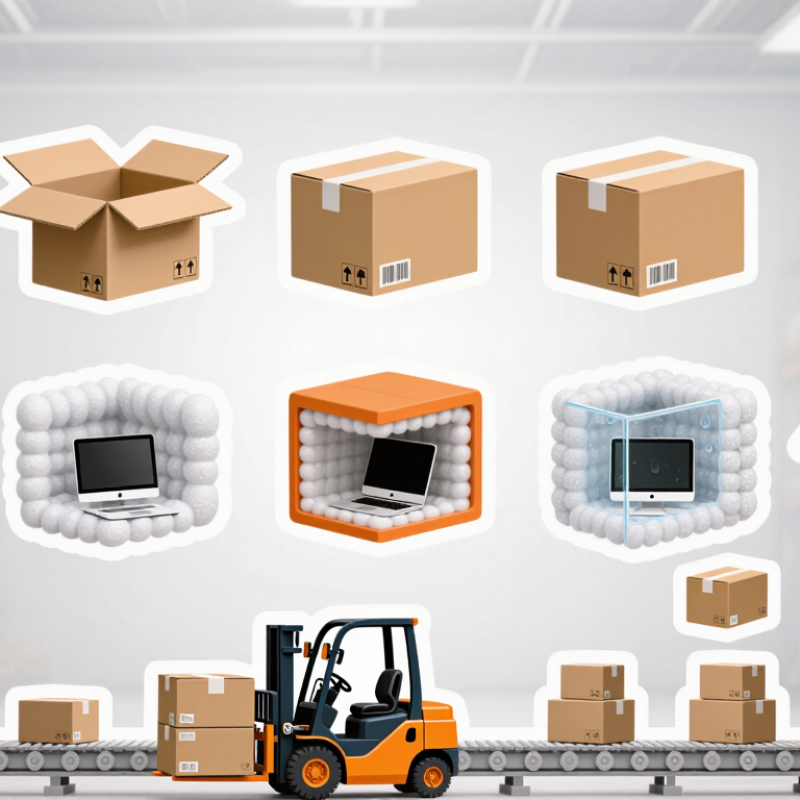
10 Best Packaging Boxes for Global Shipping in 2026

What Global Shipping Demands from Packaging Boxes in 2026

Global shipping in 2026 will demand more than attractive packaging. Boxes must survive vibration, drops, stacking pressure, humidity, and temperature changes. A package may leave a dry warehouse and arrive after days in a damp container. Small weaknesses become visible quickly.

In warehouse trials, double-wall corrugated boxes performed well for heavier products and long routes. Lightweight single-wall boxes suited compact items with strong inner protection. Die-cut boxes reduced movement, while telescoping designs helped protect unusually shaped goods. Flat-pack cartons saved storage space, but poor folding weakened their corners. Reinforced edge boxes handled repeated handling better. Moisture-resistant coatings also helped, although they may complicate recycling in some regions.

Fit matters greatly. Excess space encourages shifting, while tight packing can crush delicate contents. Paper cushioning, molded inserts, and adjustable dividers each solve different problems. Plastic-free materials are increasingly preferred, but they are not automatically stronger or more sustainable. Testing should include compression, corner drops, seal checks, and exposure to humidity. Use measurable results, not assumptions.

Labels must remain readable after scuffing and condensation. Closure systems should resist tampering and accidental opening. I still see teams choosing boxes by price alone. That decision often creates higher replacement and return costs. No box wins every route. Packaging choices need product weight, travel distance, climate, handling points, and storage conditions. A careful trial on the actual shipping lane reveals weaknesses that laboratory confidence can miss.

How to Evaluate Packaging Boxes for International Transport

10 Best Packaging Boxes for Global Shipping in 2026

How to Evaluate Packaging Boxes for International Transport

International shipping exposes boxes to stacking pressure, vibration, humidity, and sudden drops. Maritime transport carries over 80% of global merchandise trade by volume, according to UNCTAD’s Review of Maritime Transport 2024. Your box may travel through several climates before delivery. Therefore, evaluate more than appearance. Check edge crush strength, burst strength, moisture resistance, and compression performance. A double-wall corrugated box often suits heavier products, while a single-wall box may reduce weight for smaller shipments. However, stronger is not always better.

Test the complete package, not only the carton. ISTA 3A testing examines drops, vibration, compression, and atmospheric conditions. Measure the product, internal cushioning, and empty space. Excess space increases movement and may raise dimensional weight charges. The World Bank’s Logistics Performance Index 2023 also shows that border processes and shipment reliability vary widely between countries. A box needs enough protection for delays, handling changes, and repeated transfers. I would not trust a laboratory result alone. Real shipment trials can reveal weak corners, crushed flaps, or wet surfaces.

Tips: Use water-resistant tape and reinforced corner protection. Photograph the packed box before dispatch. Record its weight and dimensions. Choose recyclable materials where local recovery systems support them. Do not assume recycled fiber performs identically in humid conditions. That assumption needs testing. Review damage rates every quarter, then adjust box size, cushioning, or sealing methods.

The 10 Best Packaging Box Types for Global Shipping

Global shipping demands more than a strong-looking carton. The right box type protects products through stacking, vibration, humidity, and repeated handling. Single-wall corrugated boxes suit lightweight goods and controlled shipments. Double-wall corrugated boxes offer better compression resistance for heavier items. Triple-wall boxes handle dense, fragile, or industrial products, but they add weight and cost.

Bookfold boxes protect books, documents, and flat products with adjustable folds. Mailer boxes provide quick assembly and useful edge protection for small parcels. Folding cartons work well inside an outer shipping box, especially for organized retail packaging. Rigid boxes improve presentation, though they may need extra cushioning for long routes. Insulated boxes help control temperature for approved temperature-sensitive goods. Telescoping boxes fit unusually long products, such as panels or equipment parts. Pallet boxes support bulk shipments and reduce handling risks. No box is perfect. I still see teams choose attractive packaging that fails after one wet transfer.

Tips: Measure the product with its cushioning, not alone. Leave minimal movement inside. Use moisture-resistant tape and clear handling labels. Test a packed sample with compression and drop checks. Check destination packaging rules before shipment. Also, record damage patterns; one weak corner often reveals a design problem.

Matching Box Types to Products, Routes, and Shipping Risks

Choosing a shipping box starts with the product, not the catalog. Small electronics need rigid corrugated cartons with internal cushioning. Glassware needs cells, void control, and a moisture-resistant outer layer. Flat printed materials travel better in reinforced mailers. Heavy tools require double-wall construction and strong, well-sealed seams.

Routes change the risk. A short regional delivery may tolerate a lighter box. Ocean routes expose packages to humidity, stacking pressure, and longer handling cycles. Air freight adds rapid temperature changes and repeated transfers.

For mixed international routes, I prefer a compact box with minimal empty space. It reduces movement and can lower dimensional weight charges.

Testing should reflect real handling. Use packed samples for compression, vibration, and drop tests based on recognized transit protocols. Record corner damage, seal failure, and product movement after each test. Our first design was too optimistic; the carton passed a desk drop but failed after damp storage. That result changed the material choice.

Not every shipment needs maximum protection. Overpacking wastes space, yet underpacking creates claims, delays, and unhappy customers. Check the box after packing, not only before shipping. Even a small gap can become a large problem.

Sustainability, Compliance, and Cost Considerations for Selection

10 Best Packaging Boxes for Global Shipping in 2026

Sustainability, compliance, and cost should guide every box decision. The cheapest carton can become expensive after damage, returns, or disposal fees. Single-wall corrugated boxes suit light products and short routes. Double-wall cartons offer better stacking strength for heavier goods. Triple-wall versions provide stronger protection, but their extra material may increase freight costs.

Molded-fiber boxes and paperboard cartons can reduce plastic use when product fragility allows. Honeycomb inserts add cushioning without bulky foam. Reusable boxes may work well in closed supply chains, but international recovery is rarely simple. A recyclable box is not automatically sustainable. Local recycling systems, adhesives, coatings, and ink choices matter. Check the complete material structure.

Compliance requires careful documentation. Confirm size, weight, labeling, and material rules in each destination market. Wooden components may require treatment and supporting marks under applicable plant-health requirements. Packaging should also withstand compression, vibration, moisture, and repeated handling. Small pilot shipments can reveal weak corners or failed seals before full deployment. Do not trust appearance alone.

Cost analysis should include packaging, labor, storage, freight volume, damage rates, and disposal. A slightly heavier box may lower total cost if it prevents product loss. However, overpacking wastes space and increases emissions. Practical testing is essential. Some selection decisions will remain imperfect. Seasonal humidity, rushed packing, or inconsistent supplier materials can change results. Review performance data quarterly and adjust the box specification when evidence supports it.

10 Best Packaging Boxes for Global Shipping in 2026 – Sustainability, Compliance, and Cost Considerations for Selection
Rank Box Type Typical Internal Size Construction and Material Typical Empty Weight Typical Recycled Content Recommended Maximum Payload Indicative Unit Cost* Sustainability Profile Global Compliance Considerations Best-Fit Shipping Application
1 Regular Slotted Corrugated Box 400 × 300 × 250 mm Single-wall kraft corrugated board, commonly B-flute or C-flute 0.45–0.70 kg 70–100% recycled fiber is commonly available Up to 15 kg, depending on board grade and dimensions US$0.45–1.20 Widely recyclable; strong material-to-protection ratio; can be flattened for recycling Use moisture-resistant grades for ocean freight; verify fiber labeling and local recycling rules; use ISTA testing for parcel distribution General merchandise, spare parts, apparel, books, and non-fragile consumer products
2 Double-Wall Corrugated Box 600 × 400 × 400 mm Two corrugated layers with three liner sheets, commonly BC-flute 1.20–1.80 kg 50–90% recycled fiber is commonly available Up to 30 kg, subject to edge-crush and compression ratings US$1.80–4.50 Recyclable and durable; may reduce product damage and replacement shipments Confirm compression performance for pallet stacking; use corner protection when needed; conduct vibration and drop testing Heavy, dense, or high-value products requiring stronger stacking resistance
3 Mailer Box with Self-Locking Flaps 300 × 220 × 100 mm Die-cut single-wall corrugated board with integrated closure 0.25–0.45 kg 70–100% recycled fiber is commonly available Up to 8 kg US$0.60–1.80 Usually curbside recyclable; eliminates separate plastic tape when designed with locking tabs Check that closure remains secure during parcel handling; avoid unnecessary coatings that interfere with recycling Direct-to-consumer shipments, subscription products, cosmetics, accessories, and small electronics
4 Full-Overlap Corrugated Box 500 × 350 × 300 mm Corrugated panels with fully overlapping top and bottom flaps 0.90–1.40 kg 50–90% recycled fiber is commonly available Up to 25 kg US$1.40–3.50 Recyclable and offers high panel strength without adding plastic reinforcement Useful for long-distance handling; validate flap compression and pallet stacking under humid conditions Long or heavy products, industrial components, and export cartons requiring added bottom strength
5 Bookfold Protective Box 350 × 250 × 100 mm Adjustable-height die-cut corrugated wraparound box 0.30–0.55 kg 70–100% recycled fiber is commonly available Up to 10 kg US$0.75–2.20 Material-efficient because the height can fit the product closely; generally recyclable Use edge protection for fragile items; confirm dimensional-weight effects with the selected carrier Books, documents, framed goods, flat hardware, and compact fragile products
6 Corrugated Divider Box 400 × 300 × 250 mm Corrugated outer carton with molded or die-cut fiber partitions 0.70–1.20 kg 60–100% recycled fiber is commonly available Up to 15 kg total product weight US$1.50–4.00 Paper-based internal protection can replace plastic bags or foam inserts Partitions must remain stable under vibration; verify that product cells prevent contact during transport Glassware, bottles, laboratory containers, tools, and multiple small components
7 Molded-Pulp Insert Box 300 × 250 × 150 mm Corrugated outer box with molded fiber cushioning made from recycled paper or agricultural fiber 0.55–1.00 kg Typically 70–100% recycled or recovered fiber in the insert Up to 8 kg, depending on insert geometry US$1.80–5.50 Fiber-based cushioning is commonly recyclable or compostable where accepted; low plastic content Check moisture resistance and dimensional tolerance; test against drops, compression, and vibration before launch Fragile electronics, home goods, personal-care products, and products requiring molded protection
8 Insulated Paper-Liner Box 350 × 250 × 200 mm Corrugated carton with paper-based thermal liner and, where necessary, a separate refrigerant pack 0.80–1.60 kg excluding refrigerant Outer carton often contains 70–100% recycled fiber; liner composition varies Up to 12 kg, subject to thermal payload and pack-out design US$3.50–10.00 Can reduce plastic foam use; recyclability depends on whether liner layers can be separated Validate temperature performance, leakage control, food-contact requirements, and import rules for biological or food products Temperature-sensitive food, healthcare products, cosmetics, and laboratory shipments
9 Reusable Corrugated Plastic Tote 600 × 400 × 300 mm Foldable or rigid twin-wall polypropylene sheet with reusable closure 1.50–3.00 kg 0–50% recycled polymer, depending on specification and supplier Up to 25 kg US$12–35 Higher manufacturing impact than fiber boxes but can outperform single-use packaging over repeated return cycles Confirm material marking, fire requirements, return logistics, cleaning procedures, and customs treatment for reusable assets Closed-loop international distribution, repair networks, and repeated business-to-business shipments
10 ISPM 15 Export Wood Case 800 × 600 × 500 mm Heat-treated solid wood panels or framed case, often combined with plywood and internal bracing 25–60 kg Not normally described by recycled-content percentage; wood may be reused or sourced from certified forests Up to 500 kg or more, subject to design and lifting requirements US$80–250 Reusable and repairable, but heavier than fiber packaging and therefore increases transport emissions Solid wood packaging material entering or leaving many countries must comply with ISPM 15 marking and treatment requirements; check destination-country rules Large, heavy, high-value, or industrial equipment shipped by ocean, air freight, rail, or multimodal transport
*Indicative unit costs are non-brand estimates in US dollars for standard, unprinted packaging purchased in typical production quantities of approximately 1,000 units. Actual pricing varies by board grade, order volume, tooling, printing, freight, regional material costs, and customization. Payload limits are planning ranges only and should be confirmed through compression, drop, vibration, humidity, and transport testing. For dangerous goods, packaging must meet the applicable UN performance requirements and carrier regulations; general box specifications alone are not sufficient.