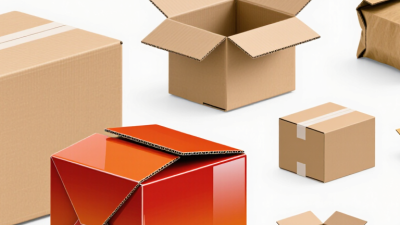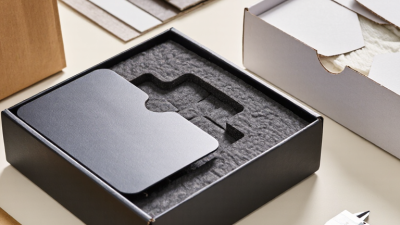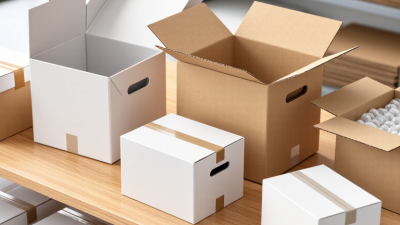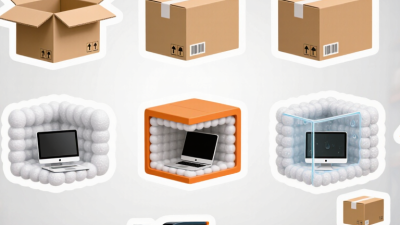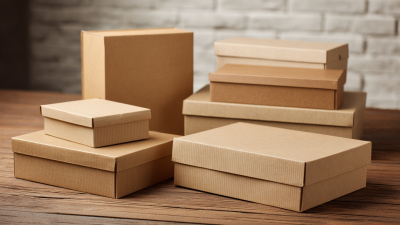
In a crowded market, a box is more than a container; it is a brief, physical introduction to a brand. Innovative packaging boxes can protect products, improve shelf visibility, and make opening feel considered. Picture a snug insert holding a glass jar, clean folds, and a label customers can read at a glance. Small details matter. But novelty alone is not a strategy.
The business case is measurable, though the evidence needs careful interpretation. PwC’s 2024 Voice of the Consumer Survey covered 20,662 consumers across 31 countries and territories. It found that 46% said they were buying more sustainable products to reduce their environmental impact. Respondents were willing to pay an average 9.7% more for sustainably produced or sourced goods. These figures concern consumer attitudes broadly, not packaging boxes specifically. They suggest an opportunity, not a guarantee of higher sales.
For a useful design principle, architect and circular-design advocate William McDonough is associated with the phrase, “Waste equals food.” Applied thoughtfully, that idea encourages businesses to consider what happens to a box after delivery—not just how it looks on a shelf. Choose materials and dimensions that fit the product, reduce avoidable shipping space, and suit existing recovery systems where available. Then test the box through real packing and transit. A beautiful prototype can still arrive crushed. That part is easy to overlook. Innovative packaging boxes work best when appearance, protection, customer experience, and practical end-of-life choices support one another.
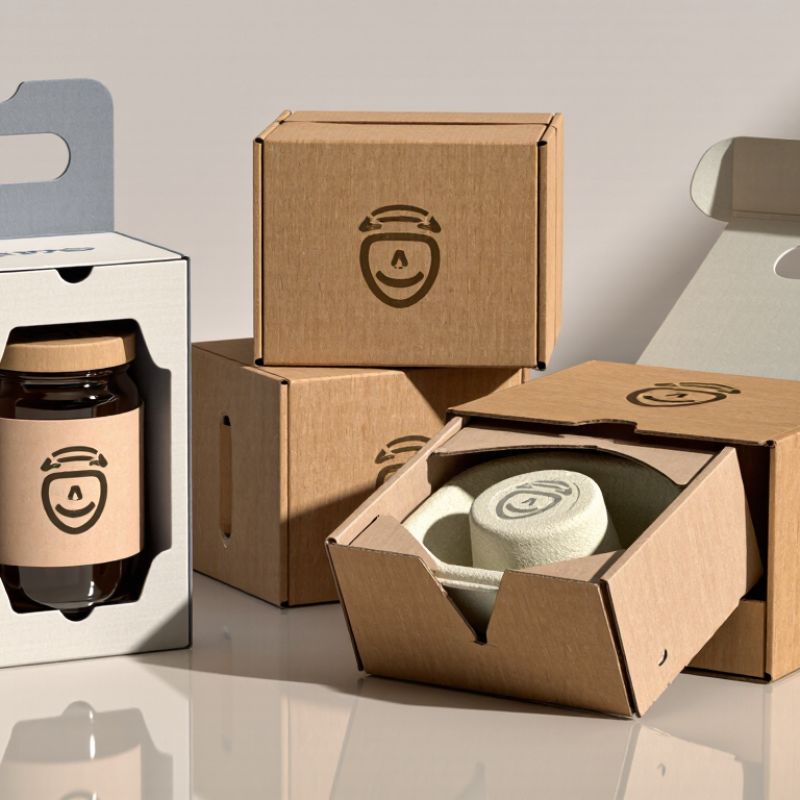
An innovative packaging box solves a real handling or communication problem, rather than simply looking unusual. It may use a fold-out insert to keep a glass jar steady, a tear strip that opens cleanly, or a compact shape that reduces unused space. The design should protect the product through storage and delivery. A box that looks clever on a screen but crushes at the corners is not an improvement. Material choice, fit, and closure all matter.
Innovation can also make packaging easier to understand and use. Clear opening cues, readable product details, and simple assembly help customers and staff. For example, a marked fold line can prevent a small carton from being assembled inside out. Recyclable materials may be useful, but the full design still needs testing for strength and local disposal options. A useful idea is not always a perfect one; extra layers or unusual shapes can add cost and confusion.
Tips: Test a sample with the actual product inside. Check whether it survives stacking, opening, and a short delivery trial. Ask someone unfamiliar with the design to assemble it. If they hesitate, simplify the instructions or structure.
Innovative packaging boxes do more than protect a product; they shape how customers handle and understand it. Material choice should match the item’s weight, fragility, and storage conditions. Corrugated board cushions heavier goods, while folding carton suits lighter retail products. Recycled paper can reduce demand for virgin fiber, but its strength and finish may vary. Test a sample before ordering in bulk.
Design features matter just as much. A snug insert can stop glass jars from knocking together during transit. Clean folds, secure closures, and readable labels make unpacking easier. Consider coatings carefully: a glossy finish may resist scuffs, yet complicate recycling in some systems. A small window can show product color, though it may weaken the panel. Small details matter. One common mistake is choosing a striking structure before checking how it stacks, ships, and fits existing packing equipment. The design may look excellent on a screen and still arrive with crushed corners.
Tips: Measure the product at its widest points, then allow room for protective material. Test a filled box through handling and stacking. Ask suppliers for material specifications, and check whether finishes suit local recycling options. Record what fails; revise the design. The first sample is rarely perfect.
| Material | Common Box Applications | Useful Material Properties | Design Features to Consider | End-of-Life Considerations |
|---|---|---|---|---|
| Corrugated fiberboard | Shipping cartons, subscription boxes, and protective outer packaging | Fluted paper between liner sheets helps provide cushioning and stacking strength. Board performance depends on its construction and grade. | Select flute and board grade for the product and shipping conditions; use fitted inserts or dividers to limit movement. | Often collected in paper recycling streams when clean and dry. Acceptance and preparation rules vary by location. |
| Folding carton paperboard | Retail cartons for cosmetics, food, household goods, and small products | A printable, foldable sheet material suited to lightweight packaging; stiffness and surface finish vary by board type. | Use scored folds, tuck or locking closures, and a right-sized structure to reduce excess material while keeping the carton easy to assemble. | Paper recycling may be available where accepted; plastic films, foil, or other laminations can affect sorting and recyclability. |
| Molded fiber pulp | Protective trays, corner supports, and shaped product inserts | Can be molded into three-dimensional shapes that cushion products and hold them in place. | Design cavities around product geometry and handling needs; check fit, removal, and protection through appropriate testing. | Typically fiber-based, but local recycling acceptance depends on the item and collection system. Compostability should not be assumed without applicable certification and facilities. |
| Honeycomb paperboard | Protective panels, dividers, and lightweight cushioning structures | A cellular paper core between facing sheets can provide stiffness with relatively low material mass. | Use panels or inserts where rigidity and separation are needed; match the structure to expected loads and shipping conditions. | Paper-based components may be recyclable where accepted; adhesives, coatings, and attached materials can affect local processing. |
| Reusable plastic boxes | Returnable transport packaging and repeated-use storage or delivery systems | Durable plastic designs can be cleaned and reused; performance depends on the polymer, construction, and use conditions. | Consider stackability, secure closures, cleaning requirements, and a practical return or reuse process. | Recycling depends on the plastic type and local collection facilities. Reuse benefits depend on repeated use and return logistics. |
| Paperboard with a barrier coating | Boxes requiring added resistance to moisture, grease, or product contact | Coatings can add barrier properties, but the level of protection depends on the coating and package design. | Specify the barrier needed for the product, and verify performance for storage and distribution conditions. | Coating composition and thickness can influence recyclability; confirm acceptance with local recycling guidance or the relevant facility. |
Material performance and recycling options vary by specification, package construction, and local collection systems.
Innovative packaging can help a business protect products, reduce material use, and make its value easier to recognize. A well-designed box might use a fitted insert instead of loose filler, or fold flat for simpler storage. Small changes matter. They can also create trade-offs: thinner materials may save space but offer less protection during rough deliveries.
Consumer expectations give businesses another reason to rethink packaging. PwC’s 2024 Voice of the Consumer Survey found that 46% of respondents were buying more sustainable products. Respondents also said they would pay an average of 9.7% more for sustainably produced or sourced goods. These figures are not specific to packaging, but they suggest that material choices can influence customer perception. A clear recycling label and easy-to-open construction make those choices more visible.
Packaging efficiency also connects to waste and operating costs. The U.S. Environmental Protection Agency’s 2018 materials report recorded 82.2 million tons of containers and packaging waste, with 28.1% recycled. That scale makes avoidable packaging worth examining. Measure box dimensions, damage rates, and material use before changing a design. A lighter box is not automatically better if more products arrive damaged. Some details are easy to overlook. Regular testing can reveal where the design works—and where it still needs improvement.
Innovative packaging works best when it solves a practical problem, not just when it looks different. Start with the product’s size, weight, and fragility. A glass jar needs snug inserts; a soft textile may need less rigid protection. Check how boxes stack, travel, and open. A package that looks sleek on a screen can arrive crushed after a rough delivery. Test a sample with the actual product inside.
Tips: Measure the packed item, not just the product. Try a drop test. Compare materials, print quality, and minimum order quantities. Ask for clear details on recycled content before making environmental claims. Small checks help prevent costly surprises.
Cost matters, but the cheapest box may need extra filler or cause more damage. Consider storage space, packing time, and how easily staff can assemble each box. The customer experience counts, too: an oversized box can feel wasteful, while a tight fit can be hard to open. I would not assume one design suits every product; that shortcut is tempting, but often wrong. Review feedback and revise the design when real shipments reveal weak corners, loose inserts, or awkward openings. A little trial and error is normal.
Factor to consider: recyclability. U.S. EPA data for 2018 reported recycling rates of 80.9% for paper and paperboard packaging, 73.8% for metal, 31.3% for glass, and 13.6% for plastic. Recycling rates are one useful comparison; local collection options and the full life-cycle impact also matter.
Packaging performance is more than a sturdy-looking box. Check whether it protects products through stacking, vibration, and routine handling. A simple trial can reveal weak corners: pack a sample, apply consistent pressure, and inspect it after a delivery route. Track damage rates across several shipments, not just one. Small details matter.
Usability also affects value. Time how long staff need to pack an order, and note whether inserts shift or tape struggles to seal. A box that saves material but slows packing may raise labor costs. Compare total cost per shipment, including materials, storage space, postage weight, and damage-related replacements. Measure the basics.
Environmental claims deserve careful checking. Review material specifications and confirm whether local recycling facilities accept the box and its coatings. Supplier data is useful, but ask how figures were measured and what assumptions they include. Then test two or three designs with the same product and packing method. The results may be uneven; small samples cannot predict every route or season. That uncertainty is worth recording, rather than hiding behind a neat cost-per-box figure.