In 2026, product packaging boxes will do more than protect products during shipping. They will shape trust, shelf appeal, delivery experiences, and brand memory. The Smithers report, The Future of Global Packaging to 2028, projects the worldwide packaging market will approach $1.2 trillion by 2028. That growth reflects rising e-commerce demand, premium presentation, and stricter resource expectations.
Packaging consultant Adam Peek describes packaging as “the physical manifestation of your brand promise.” His point matters for every box, from a compact cosmetics carton to a heavy-duty subscription mailer. A box speaks through its opening sound, surface texture, print quality, and internal fit. Sometimes, a small detail wins.
This guide examines the leading product packaging boxes expected to influence 2026, including corrugated mailer boxes, folding cartons, rigid boxes, and sustainable fiber formats. PMMI research highlights automation, right-sizing, and packaging efficiency as continuing industry priorities. McKinsey’s 2023 packaging research also found that consumers increasingly value recyclable materials, although cost and convenience still shape final choices.
The answer is not perfectly tidy. A recyclable box may need more material, while a lightweight box may offer weaker protection. That trade-off deserves honest testing, not slogans. Box selection should connect product weight, transport distance, opening experience, damage risk, and end-of-life options. The best format is rarely the most expensive one. It is the one that performs reliably, communicates clearly, and wastes less without compromising protection.
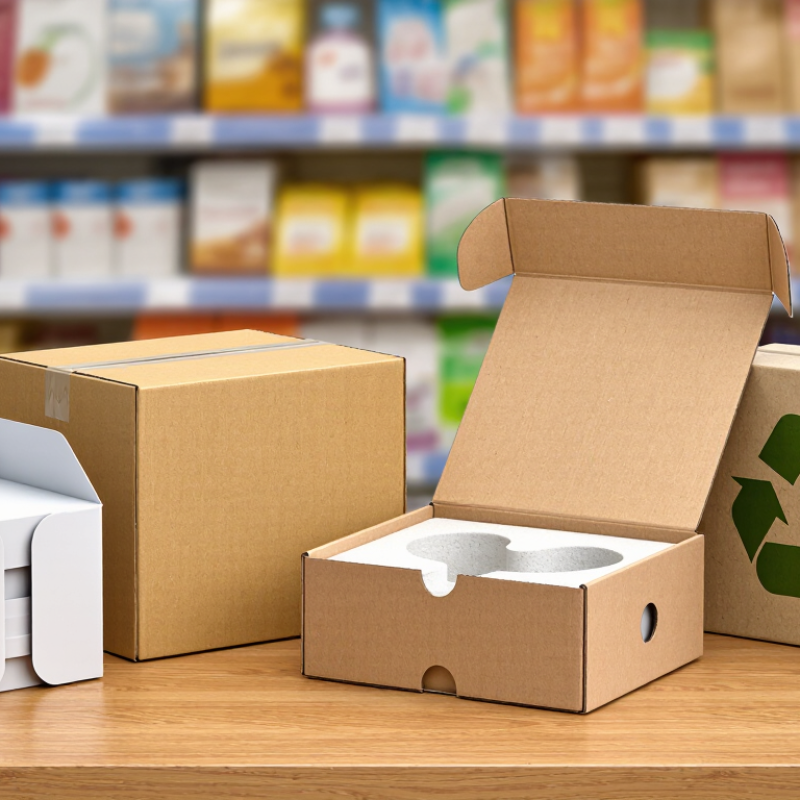
A product packaging box is the protective, informative structure that carries an item from the packing line to its next user. In 2026, common formats include corrugated shipping boxes, folding cartons, and rigid boxes. Each serves a different job: a corrugated box absorbs knocks in transit, while a carton can keep small components together and display clear product details. The box also shapes how easily an item can be opened and stored. That matters.
Material choice has consequences beyond appearance. The OECD’s 2022 Global Plastics Outlook estimates that packaging generated 40% of global plastic waste in 2019. This figure covers packaging broadly, not boxes alone. It is a useful reminder to consider material use, recovery options, and whether extra layers are actually needed. A thin carton may suit a dry, lightweight item; a fragile product may need cushioning and a sturdier outer box. That trade-off is easy to underestimate.
The U.S. EPA’s 2018 waste data counted containers and packaging at 82.2 million tons, or 28.1% of municipal solid waste generated. Those figures are not box-specific and predate 2026, so they offer context rather than a current tally. In practice, box design must balance protection, shipping efficiency, shelf presentation, and local recycling access. A box that looks minimal can still fail if it arrives crushed; a well-protected package can also use more material than necessary. The right design depends on the product and its journey.
Corrugated fiberboard and paperboard remain practical choices for many shipping and retail boxes. Corrugated board pairs flat liners with a fluted middle layer, creating stiffness without a solid, heavy wall. The U.S. Environmental Protection Agency’s 2018 materials report recorded 32.1 million tons of corrugated boxes recycled from 33.3 million tons generated. That is a strong recovery rate, but it reflects U.S. systems and an older reporting year. Paperboard suits lighter cartons, while molded pulp can cradle fragile items. Moisture is the weak point: an uncoated fiber box can soften after a wet delivery.
Plastic boxes resist water and repeated handling, and clear grades help show the contents. Yet material choice matters. The OECD’s 2022 Global Plastics Outlook reported that only 9% of plastic waste was recycled worldwide in 2019. Mixed polymers, labels, and coatings can make sorting harder. That sounds simple on paper. It is not always simple at the local sorting plant.
Some designs combine materials, such as a fiber box with a thin barrier layer. This can protect products, but may complicate recycling where facilities cannot separate layers. Teams should test the actual box under stacking, humidity, and transit conditions, not just compare material samples. A design that looks lighter may still need extra inserts or thicker walls. The trade-off deserves a second look.
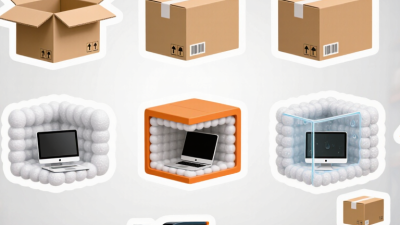
Product packaging boxes solve different problems, so the best choice depends on the item, shipping route, and shelf display. Corrugated boxes use fluted layers to cushion heavier goods and handle rough transit. They are practical for shipping, though oversized designs can waste space. Folding cartons are lighter and suit cosmetics, food, and small household products. Their smooth surfaces make printing clear, but they offer less impact protection than corrugated board.
Rigid boxes feel sturdy and polished, making them common for gifts and premium items. They hold their shape well, yet cost more to store and ship because they do not fold flat. Mailer boxes, often made from corrugated board, close with built-in flaps and can be assembled without much extra material. They work well for direct-to-customer orders, but the fit should be tested with the actual product and any inserts.
Details matter. A box that survives a short warehouse move may still fail after repeated drops or damp handling. Compare board strength, dimensions, closure style, and packing speed before choosing. Ask for a sample. Then test it with the product inside. Packaging decisions are rarely perfect; a slightly stronger box may add cost, while a lighter one may need more protective padding.
What Are the Top Types of Product Packaging Boxes in 2026?
Matching Packaging Box Types to Products and Brand Objectives
Choosing a packaging box starts with the product, not the artwork. Small cosmetics often suit folding cartons with tuck-end closures. They are light, efficient, and easy to print. Fragile ceramics need stronger corrugated mailers, protective inserts, and tested edge resistance. Premium gifts may benefit from rigid setup boxes, especially when opening feel supports a higher-value position.
Packaging should also reflect the brand objective. A subscription company may prefer flat-pack mailers that reduce storage space and shipping volume. A sustainability-focused business can select recycled board, water-based coatings, and minimal inserts. However, material claims need verification. Recyclability depends on local facilities, coatings, adhesives, and mixed components.
Test the box with the real product inside. Check compression, drop performance, moisture exposure, and closure strength. A box that survives a warehouse may still frustrate a customer at home. Small details matter, such as a pull tab that tears cleanly or an insert that prevents movement without excessive material. In practical reviews, attractive packaging sometimes performs poorly during transport. That mistake is easy to miss. A slightly imperfect prototype can reveal more than a polished sample. Teams should revise dimensions, protection, and opening effort before final production.
| Packaging Box Type | Typical Structure | Products That Often Fit | Best-Suited Objectives | Key Advantages | Important Considerations |
|---|---|---|---|---|---|
| Corrugated Shipping Box | One or more fluted paperboard layers between linerboards; commonly supplied as a folding, flat-packed box. | Home goods, appliances, books, food shipments, and products sent through parcel or freight networks. | Protecting goods in transit, supporting efficient storage, and accommodating a wide range of product sizes. | Available in different board strengths and constructions; can be printed or combined with inserts and dividers. | Choose board strength and internal protection based on product weight, fragility, shipping conditions, and box dimensions. |
| Folding Carton | Printed paperboard cut, creased, and folded into a carton; typically shipped flat and assembled when needed. | Cosmetics, packaged foods, medicines, personal-care items, and small consumer goods. | Creating a shelf-ready appearance, communicating product information, and keeping packaging lightweight. | Offers broad options for shapes, finishes, closures, and printed graphics; flat delivery can reduce storage space. | Provides less cushioning than corrugated packaging, so delicate products may need a tray, insert, or outer shipping box. |
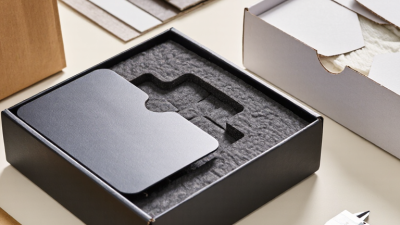
| Rigid Box | Thick, non-collapsible paperboard wrapped with printed or decorative paper; may include a fitted insert. | Jewelry, premium electronics, gift sets, watches, and other presentation-focused products. | Delivering a premium unboxing experience, presenting gifts, and providing a sturdy product enclosure. | Holds its shape and supports detailed finishes, magnetic closures, lift-off lids, and custom-fit interiors. | Usually takes up more storage and shipping space than a flat-packed carton and may require more material and assembly. |
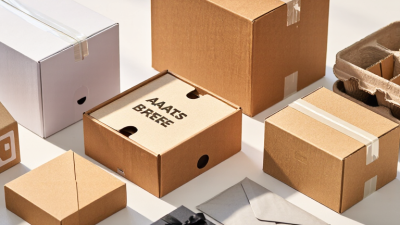
| Mailer Box | Often a one-piece corrugated design with interlocking flaps that close without a separate lid. | Subscription kits, apparel, cosmetics, accessories, and direct-to-consumer orders. | Combining shipping protection with a branded presentation that can be opened without additional retail packaging. | Can be supplied flat, is easy to assemble, and offers interior and exterior surfaces for printed messaging. | Match the board grade and dimensions to the shipment; additional cushioning may be needed for fragile contents. |
| Sleeve and Tray Box | A paperboard sleeve slides over a separate tray that holds the product. | Confectionery, soaps, small electronics, stationery, and gift items. | Showing part of the product while adding a printed information or branding panel. | Provides a distinctive opening experience and can combine a simple tray with a highly visible outer sleeve. | The sleeve and tray need accurate sizing to slide smoothly; the format may not provide enough protection for shipping on its own. |
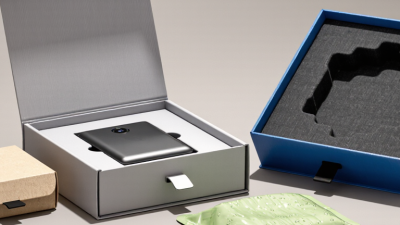
| Drawer Box | A sliding inner tray housed inside an outer sleeve, sometimes fitted with a ribbon or pull tab. | Small accessories, cosmetics, gift sets, stationery, and compact electronics. | Enhancing product presentation and making the opening process part of the customer experience. | Allows layered presentation and can accommodate a custom insert to hold products in place. | Requires enough clearance for smooth movement; inserts and heavier construction can add material and packing steps. |
| Gable-Top Box | A carton with a peaked top and integrated closure, commonly made from paperboard; some formats include a carrying handle. | Takeaway foods, baked goods, party favors, and small gift items. | Providing a portable package with a recognizable shape and convenient carrying features. | Can be assembled from a flat form and offers a large printable surface for product details or decoration. | Confirm that the material and closure suit the product; this format is not automatically leakproof or suitable for every food use. |
| Die-Cut Display Box | A custom-cut paperboard or corrugated box with an opening, shaped panel, or fold-out display feature. | Retail accessories, small packaged goods, promotional products, and counter-display assortments. | Making products more visible on shelves or counters while keeping multiple units organized. | Can combine product containment with a display function and be designed around a specific retail setting. | Design the opening and structural supports to keep products secure; larger openings may reduce protection during transport. |
In 2026, box choice depends on the product, shipping route, and unboxing experience. Corrugated boxes remain practical for e-commerce because their fluted layers cushion goods and withstand stacking. Folding cartons suit shelf-ready products and lighter items, while rigid boxes offer structure for fragile or premium goods. Molded-fiber inserts can replace plastic cushions when they fit the product securely. Fit matters.
Sustainability is about more than a paper-like appearance. Right-sized packaging uses less material and leaves less empty space during delivery. Recycled fiber can be useful, but coatings, laminates, and mixed materials may complicate recovery. The trade-off is messy. Check what local recycling facilities actually accept. QR codes can provide material details or disposal guidance, while digital printing can make short runs easier to update. A code helps only when its information stays accurate.
Design trends favor clear graphics, tactile surfaces, easy-open seams, and resealable closures. These details can improve handling without adding unnecessary layers. Yet attractive mock-ups do not always survive warehouse stacking, damp conditions, or rough delivery. Test boxes with the actual product, including inserts and labels. A small prototype often reveals crushed corners, awkward openings, or wasted space before a larger order is produced. That step is easy to skip.