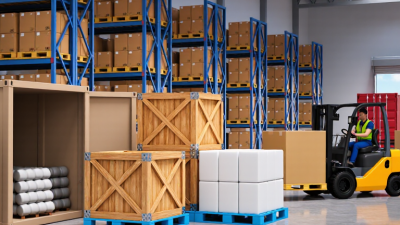
How to Choose Industrial Shipping Boxes in 2026
Choosing industrial shipping boxes in 2026 is a practical engineering decision, not a search for the thickest cardboard. The right box must fit the product, survive repeated handling, and arrive without wasted space. Think of a metal component shifting inside an oversized carton, or a damp warehouse floor softening its lower edge. Small details matter. So does the shipping route.
This introduction uses a fictional expert voice, Maya Chen, an industrial packaging engineer: “A box earns its place when it protects the product through every handoff.” The line is illustrative, not a sourced quotation. In practice, compare box dimensions, board strength, closure method, and expected load before choosing a specification. Ask suppliers for test data, and check whether sample boxes hold up under your own packing conditions. A specification sheet helps. It is not the whole story.
The guide will examine common box styles, material choices, load requirements, and cost trade-offs. It will also consider sustainability without assuming that lighter packaging is always better. There is a catch: a box that performs well in one facility may fail on a longer route. Even careful testing cannot reproduce every journey. That deserves a second look. The goal is a reliable fit for your product, handling process, and shipping environment—not a perfect box on paper.
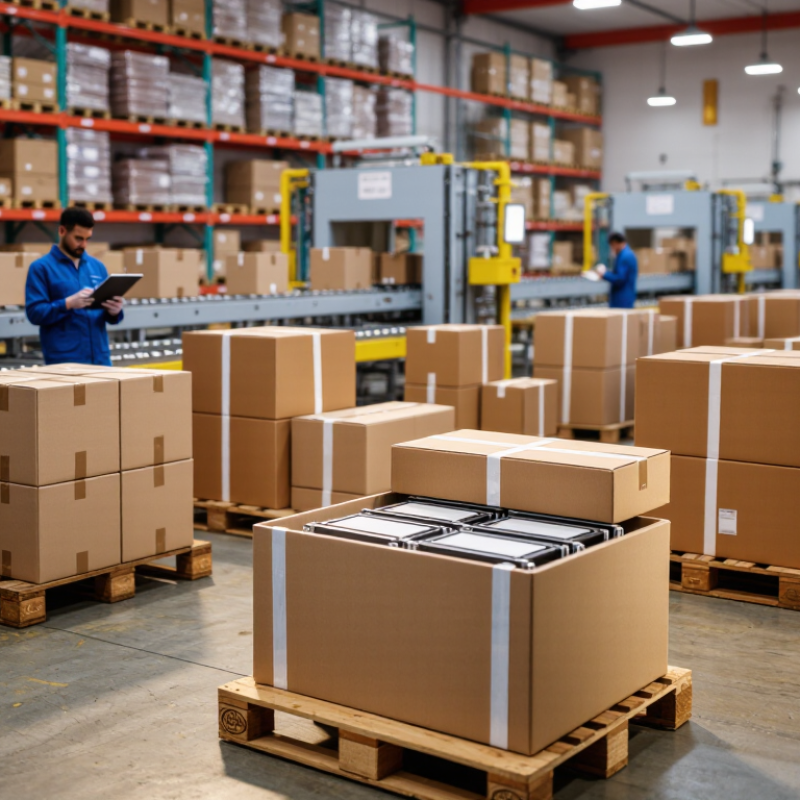
Define Shipping Requirements and Operating Conditions
Before selecting an industrial shipping box in 2026, map the route and the product’s real exposure. Record packed weight, dimensions, center of gravity, stacking time, and whether shipments move by parcel, pallet, or both. Note warehouse humidity, rain exposure, temperature swings, and how long boxes sit on loading docks. A box that survives a clean warehouse may soften after hours on a damp floor. Small detail, big difference.
Match those conditions to a test plan, not just a quoted strength rating. ISTA 3A procedures evaluate parcel shipments through hazards such as drops, vibration, and compression; use testing suited to the actual shipment profile. The U.S. EPA’s 2018 materials report estimated that 32.1 million of 33.3 million tons of corrugated boxes generated were recycled, a 96.5% rate. That supports corrugated as a widely recovered option, but it does not make it right for every load. Heavy products, repeated stacking, or moisture may call for stronger construction or added protection. And be honest about uncertainty: handling varies by carrier and route, so validate a sample under realistic conditions before ordering at scale.
How to Choose Industrial Shipping Boxes in 2026
Define Shipping Requirements and Operating Conditions
Match box materials and protection to the moisture and temperature your shipment may encounter. The chart shows relative humidity for selected conditioning atmospheres specified in ISO 2233; use the applicable atmosphere when planning package testing, and confirm the current standard and test requirements for your shipment.
Compare Box Materials and Structural Designs
Industrial shipping boxes should match the load, route, and handling conditions—not just the product’s dimensions.
Corrugated fiberboard keeps weight low and can be specified in single-, double-, or triple-wall constructions. For dense parts or repeated stacking, stronger board and a carefully sized footprint can reduce panel bowing. More layers are not automatically better; excess packaging adds cost and may still fail if the load shifts inside.
Structural design matters just as much as material.
Regular slotted cartons suit many palletized loads, while full-overlap flaps add coverage across the top and bottom panels. Telescoping boxes can accommodate tall products or variable heights. For sharp edges, use fitted inserts or corner protection, then check that the box closes without crushing the contents. Wood boxes may suit very heavy equipment, but their added weight and handling needs can be drawbacks. Test the packed configuration under relevant distribution conditions, such as those described in ISTA procedures.
Material choices also have environmental trade-offs.
The U.S. EPA’s 2018 Advancing Sustainable Materials Management report found that paper and paperboard containers and packaging had a 80.9% recycling rate in the United States. That figure is useful context, not a guarantee that a specific box will be recycled locally. I would avoid choosing solely by recycled content; moisture exposure, stacking time, and the actual route deserve equal attention. Some packaging decisions remain imperfect until tested with the real product.
Select Box Dimensions and Load Capacity
When choosing industrial shipping boxes in 2026, size the box around the product, not the warehouse shelf. Measure the item at its widest points, then allow room for cushioning without leaving large empty spaces. A snug fit can reduce shifting; too little clearance can expose corners to impact. Fit matters. Check how the box sits on the pallet, too: overhang, uneven layers, and narrow gaps can make a stable load less reliable.
Weight alone does not determine capacity. Consider the product’s gross weight, stacking height, time in storage, and exposure to humidity, which can weaken corrugated board. Specify the expected load and test representative packed boxes under compression. ASTM D642 provides a standard method for measuring container compression strength, but test results should reflect your actual box and handling conditions.
A common oversight is choosing a box by its stated rating without accounting for prolonged stacking. The U.S. EPA’s 2018 Advancing Sustainable Materials Management report recorded more than 32 million tons of corrugated boxes recycled. Right-sizing can help avoid unnecessary material, though protection must come first.
Real shipments can still surprise you.
Check Compliance, Sustainability, and Total Cost
Choosing an industrial shipping box in 2026 starts with the shipment, not the catalog. Record the item’s weight, dimensions, fragility, stacking height, and route conditions. Then check current packaging, labeling, and transport requirements for each destination and carrier. Requirements vary. Ask suppliers for material specifications and relevant test reports, and keep them with purchasing records. Do not assume a familiar box still meets a changed requirement.
Sustainability claims need evidence. Compare recycled content, material weight, and whether the box can be reused or recycled where it will actually be handled. A technically recyclable box may still be difficult to recycle locally. That detail is easy to miss. Right-sizing can reduce wasted material and freight volume, but test the fit with real products and protective inserts. It is tempting to call the lightest option greener; that shortcut can mislead.
Compare total cost, not just the unit price. Include packing time, storage space, freight charges, damage rates, and disposal costs. A sturdier box may cost more upfront but prevent costly product damage. Run a small trial on a normal shipping route and inspect corners, seams, and contents on arrival. One trial is not proof. Still, it can reveal weak points before a larger order. Keep the results, including the inconvenient ones.
Test Box Performance and Qualify Suppliers
A box can look sturdy and still fail after a week of vibration. Start by testing it with the product, inserts, and packing method used in real shipments. Measure compression strength for stacked loads, then check corners and seams after drops from likely handling heights. Record the box condition and any product movement.
Humidity matters. Paperboard can lose strength in damp storage, so condition samples before testing when shipments may face moisture. Add vibration testing for long or rough routes, and inspect for scuffing, crushed edges, and loose closures. Use the same payload and stacking pattern each time. Small details matter. A laboratory result is useful, but it will not reproduce every route or handling mistake.
Qualify suppliers with more than a sample box. Ask for material specifications, test records, production checks, and written notice of material or process changes. Review how they trace batches and handle defects. A practical trial order can reveal inconsistent dimensions or slow corrective action. Visit the production site if volume and risk justify it. Keep one approved sample for comparison. I have seen teams overlook storage conditions; that can make a good test look better than reality. Supplier claims deserve verification.