How to Choose the Best Supply Boxes for Your Business Needs?
Choosing the right supply boxes is vital for any business. These boxes play a crucial role in packaging, storing, and transporting goods. The right supply boxes can enhance efficiency and protect your products. Many factors come into play, such as size, material, and design. Each business has unique needs that must be met.
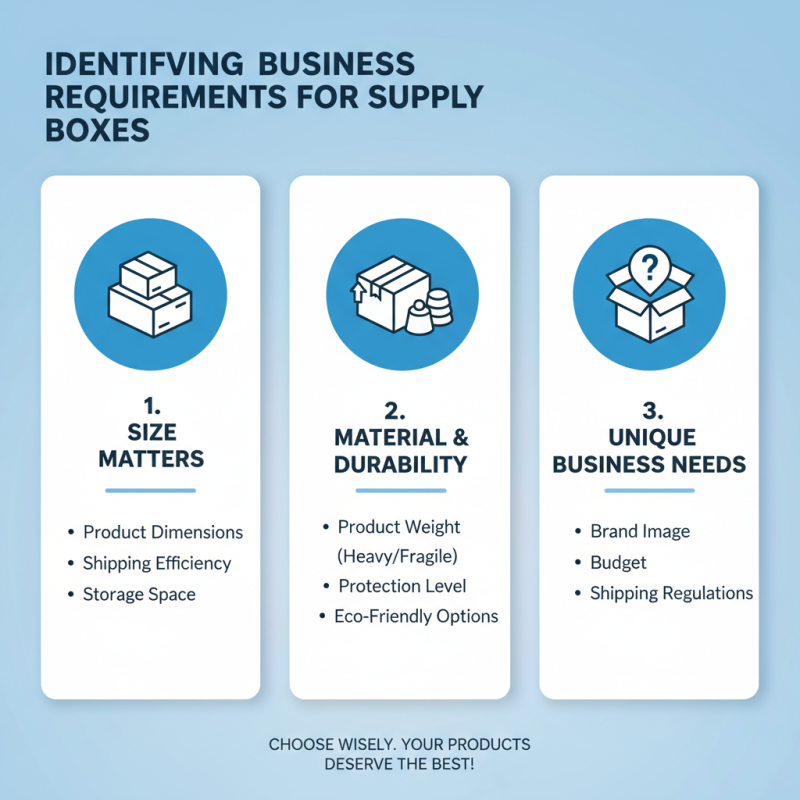
Moreover, understanding your ideal supply boxes can seem daunting. There are countless options available. A poorly chosen box can lead to damage and dissatisfaction. It’s not just about aesthetics; it’s about functionality and reliability. Pay attention to your specific requirements. Consider the weight of your items, the environments they will face, and how they will be handled.
Reflecting on your choices is essential. Asking for feedback from your team can help identify flaws in your selection process. This input can guide you toward more effective solutions. With careful consideration, you can optimize your supply boxes for better business outcomes.

Understanding the Importance of Supply Boxes for Business Operations
Supply boxes play a crucial role in business operations. They ensure that products are stored and transported safely. According to a report from the Packaging Association, 70% of companies report that using quality supply boxes reduces product damage during transit. This highlights the importance of selecting the right boxes for effective supply chain management.
Choosing the right supply box can be overwhelming. Factors such as size, material, and design all matter. Cardboard boxes, for instance, are lightweight and cost-effective. However, they may not always provide sufficient protection. For heavier items, consider using plastic boxes. They offer more durability and can be reused, reflecting a commitment to sustainability.
Tip: Assess your product's needs before purchasing supply boxes. Conduct a test on different materials. Look for feedback from your team about the effectiveness of each box type. Adapting your supply system based on real data can minimize errors. Remember, the right choice today can streamline operations tomorrow. Balancing quality, cost, and functionality is a constant challenge.
Supply Box Types and Their Usage in Business Operations
Evaluating Different Types of Supply Boxes Available
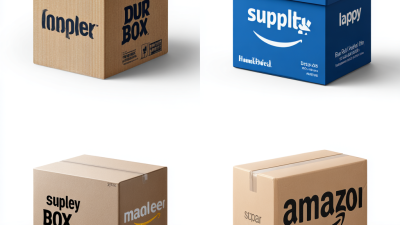
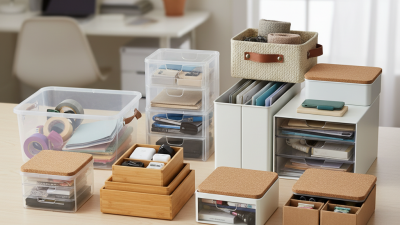
When evaluating different types of supply boxes, businesses must consider their specific needs. Various materials are available, such as cardboard, plastic, and metal. Cardboard supply boxes are often lighter and more affordable, making them suitable for shipping. However, they might not offer the durability needed for long-term storage. In contrast, plastic and metal options provide sturdiness and can be reused, which may save costs over time.
According to a report by the Packaging Association, 70% of businesses prefer reusable containers due to their sustainability benefits. These containers reduce waste and overall costs. A survey revealed that 55% of supply box users cited efficiency as a key factor. Fast access and easy organization are essential in busy environments.
However, choosing the right size is critical. A box that is too small leads to damage while excessive space can waste resources. Additionally, custom options may be worth exploring but can require significant investment. Businesses must weigh the effectiveness against budget constraints. Ultimately, each type of supply box has its advantages and potential drawbacks that should be reflected upon carefully.
Assessing Quality and Durability of Supply Boxes
When evaluating supply boxes for your business, focus on quality and durability. A sturdy box protects your products during shipping and storage. Look for materials that resist wear and tear. Cardboard, plastic, or wood can offer diverse benefits. Each material has its strengths. Cardboard is lightweight but vulnerable to moisture. Plastic is durable but may not be environmentally friendly. Wood is strong but can be costly.
Inspecting the construction of supply boxes is crucial. Check for reinforced corners and seams. Boxes with double wall construction provide extra strength. Adequate padding is important too, especially for fragile items. Understand that not every box will meet specific needs. Sometimes, the box may lack the necessary support for heavier goods. Be prepared to make trade-offs based on your product requirements.
Conducting tests can also be insightful. Consider real-world scenarios to gauge durability. Drop tests simulate transport conditions. If a box fails, it may indicate the need for better designs. Reflect on your experiences with previous boxes. What worked well? What didn’t? This thought process helps refine your choice. Prioritizing these aspects leads to more reliable solutions for your business.
Comparing Costs and Budgeting for Supply Box Investment
When budgeting for supply boxes, understanding the overall investment is crucial. Research shows that businesses often underestimate these costs. According to a recent industry report, companies can spend anywhere from $50 to $300 per supply box, depending on size and materials. This variation in price can lead to significant budget discrepancies, especially if multiple boxes are purchased.
Moreover, not all supply boxes are created equal. Quality impacts durability, which affects replacement rates. A study by the Logistics Management Association highlighted that businesses could save up to 20% in long-term costs by choosing higher-quality boxes. It’s essential to evaluate the use-case scenario for each box to make the most efficient decision.
However, some businesses focus solely on upfront costs. This approach can lead to dissatisfaction down the line. It’s tempting to opt for the cheapest solution, but it may require more frequent replacements. Reflecting on any past purchasing decisions can provide insight into how quality choices shape overall satisfaction with supply solutions. Such evaluations help inform future investments, ensuring they align with both budget constraints and operational needs.