How to Design Packaging Boxes That Stand Out in 2026?
In 2026, the landscape of consumer packaging is rapidly evolving. To stand out in this competitive market, brands must design packaging boxes that capture attention. Innovative designs can drive consumer choices and enhance brand recognition.
Effective packaging transcends mere aesthetics; it communicates value and sustainability. Brands face the challenge of incorporating eco-friendly materials while engaging their audience. While some designs may impress, not every approach will resonate with consumers. Companies must remain open to feedback and continuously adapt their strategies.
The goal is clear: your packaging should tell a story. It must reflect your brand's identity and mission. As trends shift and consumer preferences change, staying relevant is critical. By focusing on design packaging boxes thoughtfully, brands can make meaningful connections with their customers and foster loyalty.
Understanding Current Trends in Packaging Design for 2026
In 2026, packaging design trends focus on sustainability and consumer engagement. Eco-friendly materials are becoming essential. Brands are seeking biodegradable and recyclable options to minimize their environmental impact. This approach not only attracts eco-conscious consumers but also enhances brand loyalty. Packaging shapes are evolving too, with unique forms that grab attention on shelves.
Bold colors and innovative graphics also play a crucial role. Bright hues can evoke emotions and create memorable experiences. Brands must balance aesthetics with functionality. Using smart technologies, like QR codes, adds interactivity. It allows consumers to learn more about the product and its origin. This can be a valuable connection point for brands.
However, not every design effort succeeds. Some brands overcomplicate their packaging. This can confuse consumers instead of engaging them. It's important to test designs before full-scale production. Think about how packaging reflects brand values. Simple, clear messaging often resonates more than intricate designs. As trends evolve, learning from past mistakes becomes critical for future success.
Key Elements of Eye-Catching Packaging for Modern Consumers
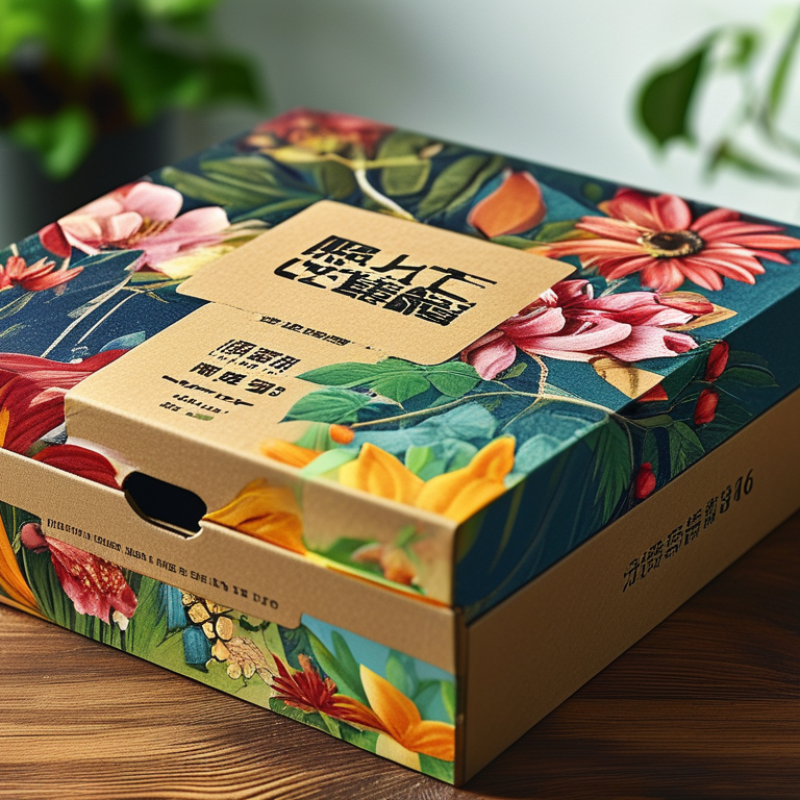
In the crowded market of 2026, designing packaging that grabs attention is crucial. Modern consumers seek more than just aesthetics; they want a connection. Vibrant colors, unique shapes, and innovative materials can create an immediate visual impact. However, it's essential to ensure these choices align with your brand values. Overshadowing substance with flashy designs may confuse consumers.
Tip: Consider using eco-friendly materials that reflect growing consumer preferences for sustainability. This not only enhances your packaging’s visual appeal but also builds trust.
Typography also plays a significant role. Clear, bold fonts can convey your message quickly. Remember, readability matters. If customers struggle to understand your packaging, they might overlook your product. Yet, don't just follow trends blindly. What works now may not work later.
Tip: Test different designs with focus groups to gauge consumer reactions. This step can reveal valuable insights. Without feedback, mistakes might go unnoticed. Small adjustments based on real consumer input can lead to substantial improvements.
Sustainable Materials: The Future of Packaging Boxes
In 2026, sustainable materials will redefine packaging design. Eco-friendly options are gaining popularity, driven by consumer demand. Brands are exploring innovative materials, like recycled paper and bioplastics. These materials not only reduce waste but also enhance brand image.
Using sustainable materials can be challenging. Sourcing them often involves higher costs and limited availability. Designers must balance aesthetics and functionality. Consider how these materials can reflect your brand values. Unique textures and colors from natural fibers can attract attention, yet not all options offer the same durability. Experimentation is vital, but it can lead to unexpected results.
The importance of sustainable packaging extends beyond appearance. It resonates with eco-conscious consumers. Brands must be transparent about their choices. Labels should inform customers of the environmental benefits. This builds trust, but it also requires ongoing commitment. Are brands ready for this deeper engagement? The journey toward sustainability is complex, yet essential for future success.
Utilizing Technology for Interactive Packaging Experiences
In 2026, interactive packaging will redefine the customer experience. Tech-savvy consumers demand more engagement. According to a recent industry report, over 70% of consumers are more likely to interact with packaging that incorporates technology. Smart packaging can include QR codes, augmented reality, or NFC (Near Field Communication) features. These elements elevate the unboxing experience and create emotional connections with products.
The rise of interactive packaging stems from a shift in consumer expectations. They seek personalization and storytelling through their purchases. Brands that use technology effectively can gather valuable data about customer preferences. For example, 60% of businesses that integrated interactive elements saw an increase in customer retention rates. Yet, there is a risk of overwhelming consumers with too many features. Striking the right balance is crucial. Not every package needs to be a tech marvel; simplicity can also enhance the appeal.
Moreover, sustainability remains a significant concern. Many consumers appreciate eco-friendly packaging. Combining technology with sustainable practices can be tricky. A study found that while 67% prioritize sustainability, only 32% trust brands to deliver it. Thus, brands must ensure that their interactive technologies do not overshadow their commitment to eco-friendly practices. Addressing these challenges is essential for successful packaging design.
Color Psychology and Branding in Packaging Design
Color psychology plays a vital role in packaging design. In 2026, brands must harness this to leave a lasting impression. Research indicates that up to 85% of consumers base their purchase decisions on color alone. Each color evokes different emotions and perceptions, influencing how consumers relate to a product. For example, blue often conveys trust, while red can evoke excitement or urgency.
Choosing the right color scheme is essential. An effective palette not only attracts attention but also reinforces brand identity. A survey by the Institute of Color Research reveals that color increases brand recognition by up to 80%. Yet, brands often struggle with color consistency across their packaging and branding. This inconsistency can dilute their overall message and confuse consumers.
Designers should reflect on the cultural implications of color. Different cultures associate colors with varied meanings. For instance, white symbolizes purity in some cultures, while it represents mourning in others. This challenge requires in-depth research and understanding of target demographics. Brands need to adapt their color choices carefully to resonate with local consumer sentiments. Ignoring these nuances can lead to missed opportunities and brand misalignment.
Color Psychology in Packaging Design - Impact on Consumer Choices (2026)