Top Packaging Shipping Boxes Trends to Watch in 2025
In recent years, the packaging shipping boxes industry has experienced significant transformation driven by evolving consumer behaviors and advancements in technology. According to a report by Smithers Pira, the global packaging market is expected to reach $1 trillion by 2025, with a substantial portion of this growth attributed to the increasing demand for sustainable and innovative shipping solutions. As e-commerce continues to surge, the need for packaging shipping boxes that not only protect products but also enhance customer experience is becoming imperative.
Sustainability is at the forefront of current trends, with businesses striving to minimize their environmental impact. A study by Grand View Research indicates that the market for sustainable packaging is projected to grow at a CAGR of 5.4% from 2021 to 2028. This urgent need for eco-friendly shipping boxes has propelled companies to explore materials such as biodegradable plastics and recycled paper. Additionally, advancements in digital printing and smart packaging technologies are making it easier to customize shipping boxes, improving both functionality and brand visibility.
As we look ahead to 2025, it is clear that the packaging shipping boxes landscape will be shaped by the dual demands for sustainability and innovation. Businesses that adapt to these trends will not only enhance their competitive edge but also meet the expectations of increasingly conscientious consumers. Understanding these trends is crucial for stakeholders aiming to thrive in the evolving packaging market.

Emerging Sustainable Materials in Packaging for 2025
As the packaging industry evolves, the focus on sustainable materials is becoming increasingly vital. According to a recent report by the Smithers Pira, the sustainable packaging market is projected to reach $400 billion by 2025, driven by consumer preferences for eco-friendly solutions. This shift is prompting manufacturers to explore alternatives to traditional plastics. For example, materials like mushroom mycelium and seaweed are gaining traction due to their biodegradability and minimal environmental impact.
In 2025, a significant trend will be the rise of bioplastics made from renewable resources. The European Bioplastics Association estimates that the production capacity of bioplastics will increase by 20% annually, reflecting a growing commitment to reducing carbon footprints. Companies are also experimenting with post-consumer recycled materials, with studies showing that nearly 68% of consumers are willing to pay more for products with sustainable packaging. As these materials become more mainstream, they will not only fulfill regulatory requirements but will also appeal to a more environmentally conscious market.
Impact of E-commerce Growth on Shipping Box Designs
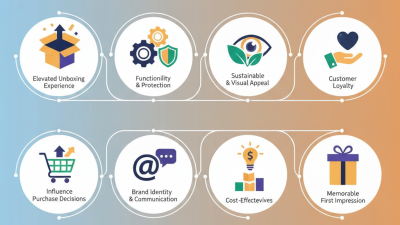
The rapid growth of e-commerce has significantly influenced the design of shipping boxes, pushing for innovation and adaptation in packaging materials and structures. As online shopping continues to rise, companies are increasingly focusing on creating packaging that not only protects the product but also enhances the unboxing experience for consumers. This shift towards more customer-centric designs incorporates features such as easy open tabs, resealable options, and aesthetically pleasing graphics that reflect the brand’s identity, all aiming to create an engaging delivery moment that resonates with online shoppers.
Furthermore, sustainability has become a crucial factor in shipping box design as e-commerce companies strive to align their practices with the growing consumer demand for eco-friendly products. The use of biodegradable materials, minimalistic designs that reduce waste, and innovative recycling programs are becoming standard practices. This focus on sustainability not only meets regulatory pressures but also appeals to environmentally-conscious consumers who are now more likely to support brands that prioritize responsible packaging. As we approach 2025, the convergence of e-commerce growth and sustainability will likely drive even more revolutionary changes in shipping box designs, leading to a new standard that balances functionality, aesthetic appeal, and ecological responsibility.
Top Packaging Shipping Boxes Trends to Watch in 2025
The following bar chart illustrates the anticipated trends in packaging shipping boxes influenced by the growth of e-commerce. The data represents the percentage distribution of various design trends expected in 2025.
Smart Packaging Technologies: Innovations to Watch in 2025
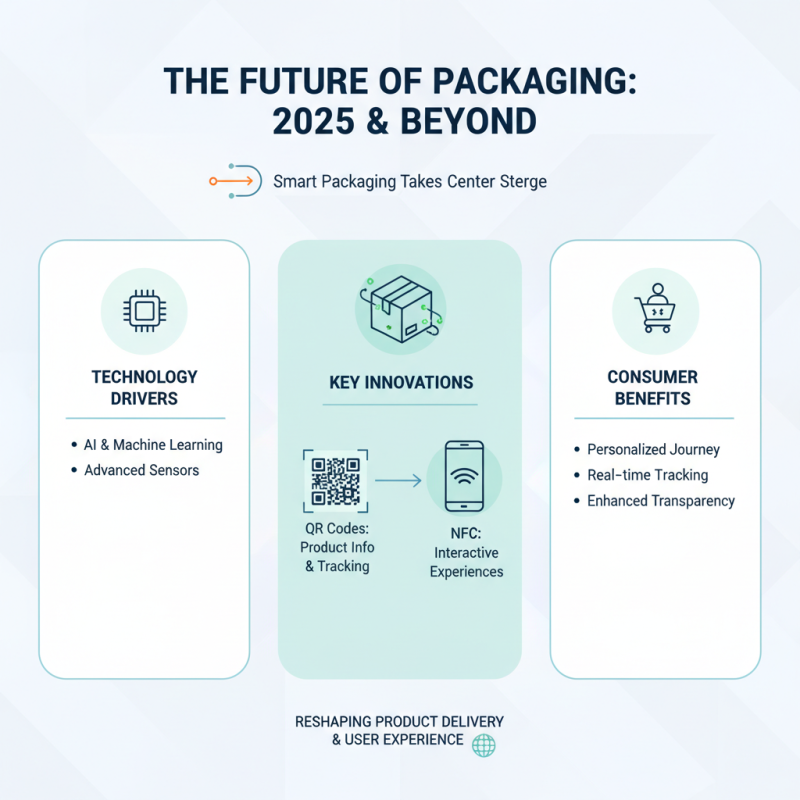
The landscape of packaging is rapidly evolving, driven by technological advancements that are set to reshape how products are delivered to consumers. In 2025, smart packaging technologies will take center stage, integrating digital features that enhance the user experience while ensuring product integrity. One of the key innovations expected to gain traction is the use of QR codes and NFC (Near Field Communication) technology. These tools allow consumers to access detailed product information, track shipments in real-time, and engage with brands through interactive experiences, creating a more personalized shopping journey.
In addition to enhancing consumer engagement, smart packaging also plays a vital role in sustainability efforts. Innovations in materials science are leading to the development of eco-friendly packaging solutions that are not only recyclable but also smart. Packaging that can monitor freshness, detect contaminants, or indicate if a product has been tampered with will be increasingly important. These features not only ensure that consumers receive safe and high-quality products but also appeal to the growing demand for transparency and accountability in supply chains. As we look to 2025, the convergence of technology and sustainability in packaging will redefine industry standards, making smarter packaging solutions essential for businesses aiming to thrive in a competitive market.
Trends in Customization and Branding in Shipping Boxes
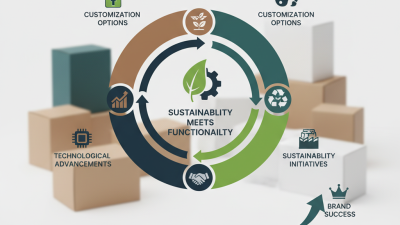
Customization and branding in shipping boxes are rapidly evolving trends that are set to shape the packaging landscape in 2025. As e-commerce continues to flourish, businesses are increasingly recognizing the importance of packaging as a vital touchpoint in the customer journey.
Customization allows brands to convey their identity and values through tailored designs, color schemes, and materials that resonate with their target audience. The integration of unique artwork or eco-friendly elements not only enhances the visual appeal of the shipping boxes but also aligns with consumer preferences for sustainability, creating a positive brand image.
Additionally, the incorporation of technology into shipping box design is emerging as a significant trend. Brands are leaning towards interactive packaging that engages customers even before they open the box. This could include QR codes or NFC tags that lead to personalized experiences, such as unboxing videos or loyalty program sign-ups. Such innovations not only elevate the unboxing experience but also foster a deeper connection between the consumer and the brand.
As companies continue to invest in these trends, the focus on customization and branding will play a crucial role in differentiating products in a crowded marketplace, making thoughtful packaging an indispensable part of the overall marketing strategy.
Regulatory Changes Influencing Packaging Standards by 2025
As we approach 2025, regulatory changes are poised to significantly shape packaging standards across various industries. Governments worldwide are increasingly focused on sustainability and environmental responsibility, driving new legislation aimed at reducing waste and promoting recyclable materials. With initiatives like extended producer responsibility (EPR) gaining traction, manufacturers will need to adapt their packaging strategies to ensure compliance and minimize their ecological footprint. This shift is likely to result in a surge of innovations in packaging materials, including biodegradable options and materials sourced from renewable resources.
Moreover, the standardization of regulations across borders is becoming a focal point for many industries. As trade becomes more globalized, there is a growing need for uniform packaging standards to avoid confusion and inefficiencies. Businesses will need to stay informed about changes at both international and national levels, as these regulations can impact everything from labeling requirements to the types of materials allowed in packaging. Companies that proactively adjust to these changes will not only ensure compliance but may also gain a competitive edge in a rapidly evolving market that prioritizes sustainability and safety in packaging practices.