What is a Corrugated Box and Its Benefits for Businesses?
Corrugated boxes play a crucial role in modern business logistics. These sturdy and versatile packaging solutions help safeguard products during transit. Companies rely on corrugated boxes for various reasons, from cost-efficiency to environmental benefits. The multi-layered structure of these boxes provides excellent protection against damage. Additionally, they are lightweight, reducing shipping costs.
Many organizations value the adaptability of corrugated boxes. These boxes can be customized to fit products of all shapes and sizes. This flexibility is particularly beneficial for businesses that deal with diverse merchandise. However, not all corrugated boxes are the same. Some may lack the strength needed for heavier items. Understanding the right type of box is essential for effective packaging.
Using corrugated boxes can enhance brand visibility as well. Printing logos and designs on the boxes is a common practice. This approach can help create a memorable unboxing experience for customers. It's important for businesses to reflect on their packaging choices. Are their current options delivering the value they expect? Investing time in selecting the right corrugated boxes can lead to significant long-term benefits.
What is a Corrugated Box?
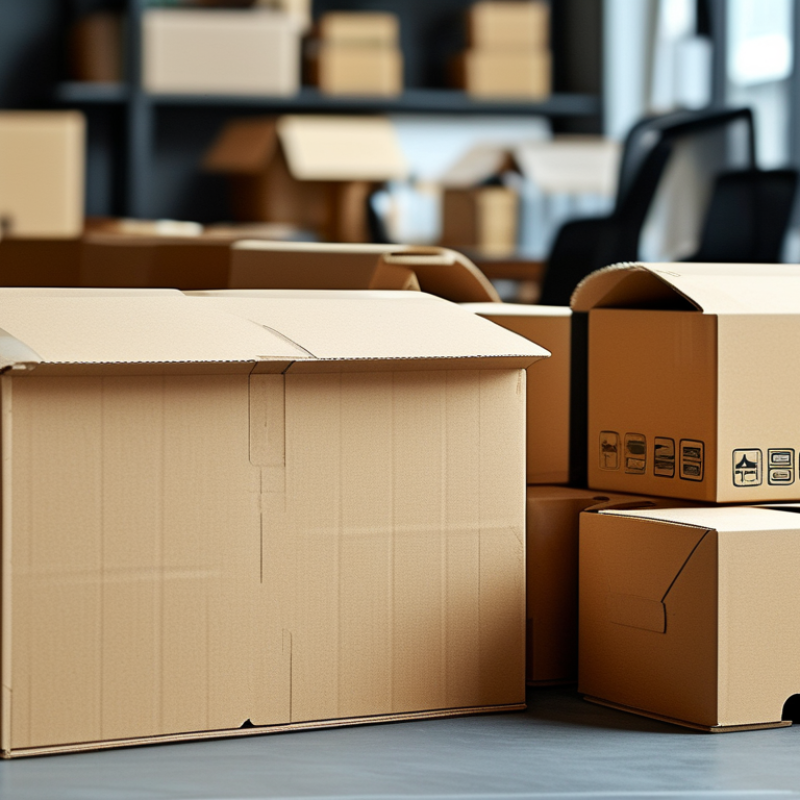
A corrugated box is a versatile packaging solution made from a flute of recycled paper between two liners. This structure makes it lightweight yet durable. Corrugated boxes provide excellent protection for goods and reduce shipping costs. According to a 2022 report by Smithers Pira, the global demand for corrugated packaging is expected to reach 400 million tons by 2028.
These boxes are also recyclable and often made from sustainable materials, making them environmentally friendly. Businesses are increasingly turning to corrugated boxes to meet their eco-conscious consumers' demands. In fact, a survey indicated that 75% of consumers prefer brands that use sustainable packaging options.
Tips for ensuring your corrugated boxes are effective:
1. Choose the right fluting type for your product. Thinner flutes are good for lightweight items, while thicker ones offer more protection.
2. Consider using printed boxes to enhance branding. Clear messaging can improve customer experience.
3. Always test your packaging before shipping to minimize damages. Imperfect designs can lead to higher costs if items are damaged during transit.
Overall, corrugated boxes represent a smart choice for businesses seeking reliable and efficient packaging solutions. They offer benefits that extend beyond mere functionality, impacting consumer perception and brand trust.
Structure and Composition of Corrugated Boxes
Corrugated boxes are made of three layers: an inside liner, a fluted layer, and an outside liner. This structure gives them strength and durability. According to industry reports, over 90% of all products are packaged in corrugated boxes. This packaging type is especially essential for e-commerce and retail businesses.
The fluted layer acts as a cushion, providing resistance to bending and crushing. This feature is crucial for shipping fragile items. Additionally, the design allows for customization in size and shape. Many businesses appreciate this flexibility. Research indicates that over 50% of companies reported improved shipping performance after switching to corrugated packaging.
Despite these benefits, not all corrugated boxes are created equal. Some may suffer from quality issues or inconsistencies in production. Businesses need to conduct proper assessments when choosing suppliers. Quality control measures are vital for ensuring reliability in packaging. Making informed decisions contributes to effective logistics and delivers value to businesses.
What is a Corrugated Box and Its Benefits for Businesses? - Structure and Composition of Corrugated Boxes
| Dimension |
Description |
Benefits |
| Structure |
Made of three layers - an inner liner, an outer liner, and a fluted layer between them. |
Provides strength and durability for shipping and storage. |
| Weight |
Lightweight yet strong, compared to traditional boxes. |
Reduces shipping costs due to lower weight, leading to savings. |
| Sustainability |
Made from recycled materials and fully recyclable. |
Supports eco-friendly practices and reduces landfill waste. |
| Customization |
Can be easily printed on and shaped to specific needs. |
Enhances brand visibility and allows for tailored packaging solutions. |
| Protection |
Offers excellent cushioning properties to protect contents. |
Reduces damage during transit, ensuring product integrity. |
Key Benefits of Using Corrugated Boxes for Businesses
Corrugated boxes are crucial for businesses in various sectors. They offer excellent protection for products during transportation and storage. The three layers—outer liner, inner liner, and fluting—provide strength and durability. This design minimizes damage, ensuring that products arrive at their destination safely.
Using corrugated boxes can lead to cost savings. They are lightweight, reducing shipping costs. Furthermore, these boxes are recyclable. This offers an eco-friendly solution that can enhance a brand's reputation. Sustainable practices are increasingly valued by consumers today.
However, businesses must remain aware of the limitations. Not every product may fit perfectly in standard box sizes. Custom designs could lead to additional costs and production time. Companies need to weigh the benefits against these potential drawbacks. Making informed decisions is key to maximizing the advantages of using corrugated boxes.
Environmental Impact and Sustainability of Corrugated Packaging
Corrugated boxes are widely recognized for their strength and versatility. However, their environmental impact is a significant aspect often overlooked. Many businesses choose corrugated packaging for its recyclability. This material can be reused multiple times, reducing waste in landfills. Companies that adopt sustainable practices can lower their carbon footprint.
Tips for companies: consider sourcing corrugated materials from local suppliers. This reduces transportation emissions and supports local economies. Additionally, evaluate the life cycle of your packaging choices. A thorough assessment helps businesses identify opportunities for improvement.
While corrugated boxes are generally eco-friendly, they are not without challenges. The production process requires energy and resources. Businesses must balance the benefits with these environmental costs. An honest reflection on your packaging strategy can lead to better practices.
Finding ways to enhance sustainability should be ongoing. Encouraging customers to recycle packaging can help. Promotions or incentives for returning boxes can further foster a culture of sustainability.
Applications of Corrugated Boxes Across Different Industries
Corrugated boxes are crucial across various industries due to their lightweight yet durable design. In the food sector, they help maintain product freshness and safety during transport. This is essential for items like fruits, vegetables, and baked goods. Many food distributors rely on these boxes to reduce waste and ensure products arrive in perfect condition.
In the e-commerce industry, corrugated boxes play a vital role in packaging. They protect goods during shipping, reducing breakage and returns. Companies often customize these boxes with branding elements, enhancing the customer experience. However, over packaging using corrugated materials can create unnecessary waste. Finding a balance between protection and sustainability is an ongoing challenge.
Retail businesses also benefit from corrugated boxes. They can be easily stacked and displayed, often used for promotional purposes. Their versatility allows brands to create visually appealing arrangements. However, reusing or recycling these boxes is crucial. Excessive use can lead to environmental concerns. Addressing these issues requires careful planning and thoughtful packaging strategies.
Applications of Corrugated Boxes Across Different Industries