How to Choose the Best Shipping Packaging Boxes for Your Needs?
Choosing the right shipping packaging boxes is crucial for businesses aiming to protect their products. According to the International Packaging Association, packaging accounts for more than 30% of shipping costs. Selecting suitable boxes can reduce damage and ensure timely delivery.
Expert Mark Thompson, a renowned authority in the packaging industry, emphasizes, “Utilizing proper shipping packaging boxes can significantly enhance supply chain efficiency.” His insight reflects the importance of making informed choices.
However, many businesses overlook this critical aspect. They may choose boxes based solely on cost, neglecting quality or durability. This can lead to increased returns and unhappy customers. Ultimately, the right shipping packaging boxes can serve as a game changer, helping businesses avoid pitfalls and improving overall performance.
Identifying Your Shipping Needs and Requirements
When identifying your shipping needs, consider the nature of your products. Are they fragile, bulky, or oddly shaped? Each of these characteristics affects your choice of packaging. Fragile items require cushioning materials, while bulky products might need larger boxes or special designs. Understanding these factors guides you toward the right packaging options.
Selecting the right size is critical. Oversized boxes can lead to wasted space. This increases shipping costs. Small boxes can damage your products. Measure your items carefully. Consider adding some clearance for protective padding. Packaging that ensures safety is essential for maintaining product integrity during transit.
Think about the materials used in your packaging. Cardboard is common, but not always the best choice. Some items may need moisture-resistant options. Also, reconsider your approach to sustainability. Eco-friendly materials are gaining importance. Customers appreciate environmentally-conscious choices. Always reflect on how your packaging choices align with your values and your customers' expectations.
Understanding Different Types of Packaging Materials
When choosing packaging materials, it's essential to understand the options available. Cardboard is popular for its strength and versatility. It's lightweight yet sturdy, perfect for boxes of various sizes. Plastic materials provide durability and moisture resistance. They are ideal for products that require extra protection. Biodegradable options are gaining traction as eco-friendly alternatives. These materials break down over time, minimizing environmental impact.
Consider these factors when selecting packaging. Assess the weight of your products. Heavier items need strong boxes. Think about exposure to elements. Will your package face moisture or temperature changes? Choose accordingly. Remember to account for the aesthetics of your packaging. A visually appealing box can enhance your brand’s image and customer experience.
Using the right packaging is crucial for success. Overpacking can lead to waste and increased shipping costs. Underpacking may risk product damage. Regular evaluation of your packaging choices can lead to improvements. Experiment with different materials and sizes. Stay informed about new options in the market. Adaptation can keep your shipping process efficient and cost-effective.
Evaluating Size and Dimensions for Optimal Fit
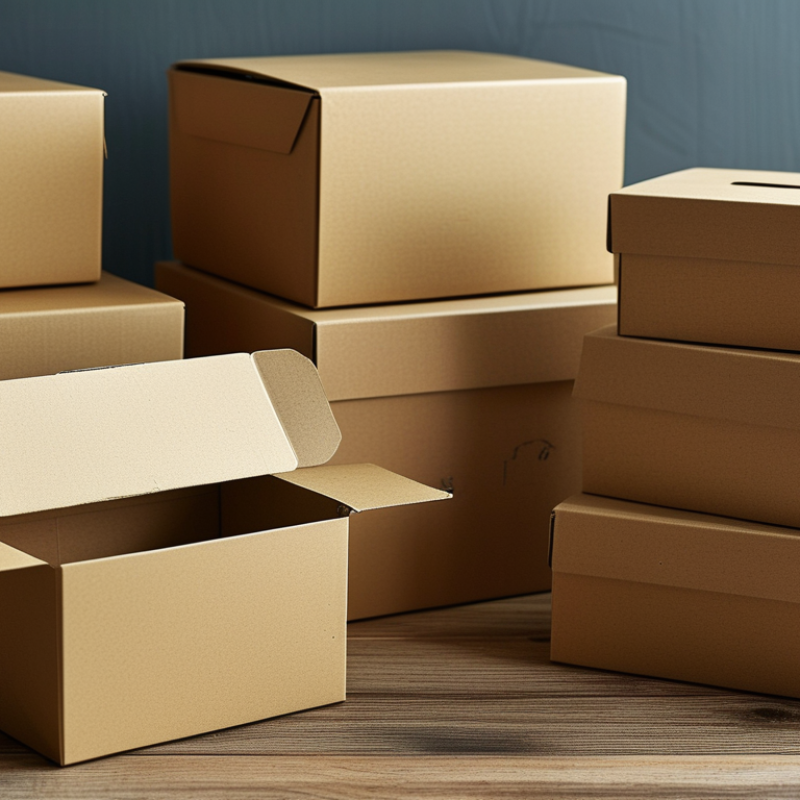
Choosing the right packaging boxes is crucial for an efficient shipping process. When evaluating size and dimensions, consider not just the item you're shipping, but also how it fits snugly in the box. A good fit minimizes movement during transit, reducing the risk of damage. Boxes that are too large can lead to excess padding costs and wasted space. On the other hand, boxes that are too small may force the item to be damaged, leading to unhappy customers.
When selecting the size, measure your item carefully. Include additional dimensions if your product is irregularly shaped. This ensures a more accurate fitting. Use templates or packing tools to visualize how different sizes might work. Do not make assumptions based on similar items; every product is unique.
Reflect on the materials used in the box as well. Strong cardboard helps protect fragile items. However, some boxes are over-engineered, leading to unnecessary expenses. Always weigh the durability against the cost. Remember, a box that is too rigid could be just as problematic as one that’s too flimsy. Each choice in size and material shapes the shipping experience for you and your customers.
Considering Cost-Effectiveness and Budget Constraints
Choosing the right shipping packaging boxes is crucial for any business. Cost-effectiveness often comes into play when making this choice. It's important to evaluate the quality and price of the boxes. High-quality materials can protect your products better. However, they can be more expensive. Balancing quality with budget constraints can be a challenge.
Consider bulk purchasing options. Buying in larger quantities often reduces the per-unit price. This strategy can lead to significant savings over time. However, it’s essential to avoid overstocking. Excessive inventory can tie up your capital and lead to waste. Assess your shipping needs carefully.
You might also explore different materials. Corrugated boxes are sturdy but usually cost more. On the other hand, paperboard boxes are lightweight and economical. Each option has its pros and cons. It’s worth testing different types to see which works best with your budget. Stay open to adjustments in your packaging strategy, as this can enhance both cost-efficiency and product safety.
Cost Analysis of Different Shipping Packaging Options
Assessing Environmental Impact and Sustainability Options
When selecting shipping packaging boxes, consider their environmental impact. Traditional packaging often relies on materials that contribute to waste. These materials can linger in landfills for years, harming our planet. Sustainable options exist. Biodegradable and recyclable materials are gaining popularity.
Crafters and businesses can assess their needs by evaluating the materials’ footprints. Look for certifications like FSC labels, which indicate responsible sourcing. Packaging can be both functional and eco-friendly. However, finding the right balance is tricky. Some sustainable options may sacrifice durability.
Investing in reusable packaging can be a wise choice. Although it requires upfront costs, this choice often proves cost-effective over time. Explore local suppliers who prioritize eco-friendly practices. Knowledge and awareness can lead to better decisions in packaging. The journey to sustainability isn’t perfect, but each step counts.