How to Choose the Best Packaging Boxes for Your Products?
Choosing the right packaging boxes for your products is essential. Expert Sam Thompson, a leader in the packaging industry, states, “Good packaging tells your brand story.” Packaging boxes play a crucial role in marketing and protection. They should reflect your brand's identity and values.
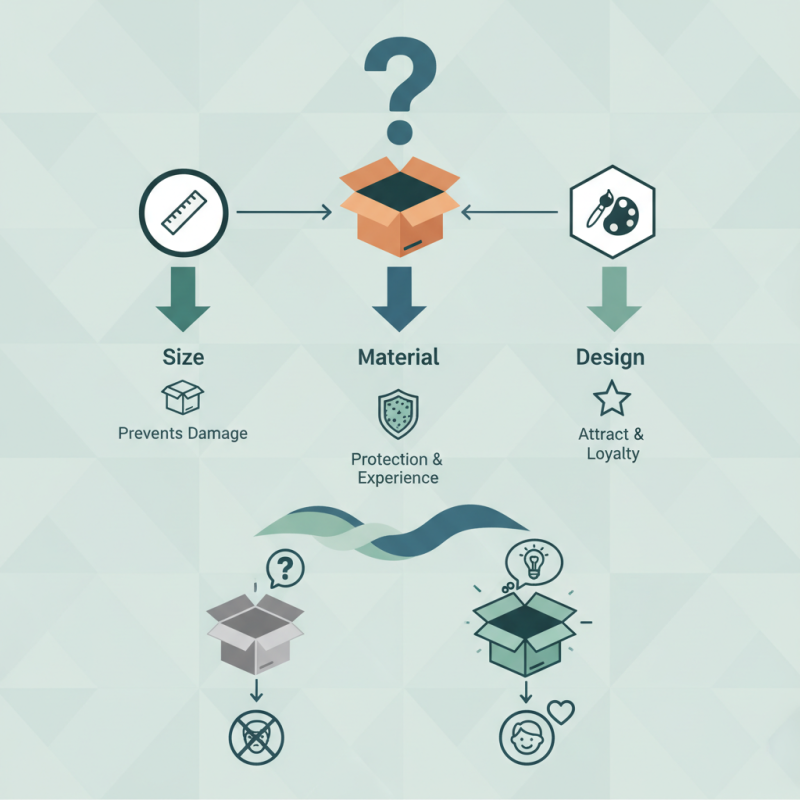
When selecting packaging boxes, consider the size, material, and design. The right size prevents damage during shipping. Quality materials enhance protection and create a better customer experience. Colors and design elements can attract attention and promote brand loyalty.
However, many businesses overlook these factors. They may settle for generic options, missing an opportunity to stand out. Keep in mind that packaging boxes are more than a container. They are a chance to make a lasting impression. Reflect on your choices and how they align with your brand’s vision.
Understanding the Importance of Packaging in Product Presentation
In today's competitive market, packaging plays a crucial role in product presentation. According to a recent survey, about 72% of consumers say that packaging influences their purchasing decisions. This statistic highlights how visual appeal can significantly impact sales. A well-designed box not only protects the product but also enhances its attractiveness. It communicates brand identity and values directly to consumers.
Furthermore, research indicates that sustainable packaging can raise a brand's appeal. Around 60% of shoppers prefer eco-friendly materials. This shift towards sustainability requires brands to rethink their packaging strategies. It’s not just about aesthetics anymore; it involves being responsible and innovative. However, some brands still struggle with this transition. They may choose materials that are visually appealing but non-sustainable, losing out on a segment of eco-conscious consumers.
The right sizing of packaging also matters. Overly large packaging leads to wasted space and increased shipping costs. On the other hand, too-small boxes risk damaging products. A delicate balance is essential. Many companies overlook this aspect, resulting in significant financial losses. Effective packaging is not just an option; it's a in today’s market. Prioritizing product presentation can result in improved customer satisfaction and loyalty.
Identifying the Unique Needs of Your Products for Custom Packaging
Choosing the right packaging boxes can profoundly affect your product's success. Custom packaging should reflect the unique needs of your items. Various factors must be considered, such as size, fragility, and product type. For instance, glass items require cushioning to prevent breakage. According to industry reports, nearly 40% of customers base their purchasing decisions on packaging alone. Thus, packaging is not just a container; it is a critical aspect of branding.
One tip is to assess the dimensions of your products accurately. Measure each item to identify the ideal box size. Avoid excess space, as it may lead to movement inside the box. This can damage the product during transit. A snug fit is essential. Additionally, consider the weight of your product. Heavy products need sturdy boxes to ensure safety.
Think about the environmental impact too. Many consumers prefer sustainable packaging. Materials like recycled cardboard or biodegradable options are more appealing. A recent survey indicated that 72% of consumers are willing to pay more for eco-friendly packaging. However, ensuring durability while being green can be challenging. It’s an area worth exploring, as striking that balance can enhance your brand's reputation.
How to Choose the Best Packaging Boxes for Your Products?
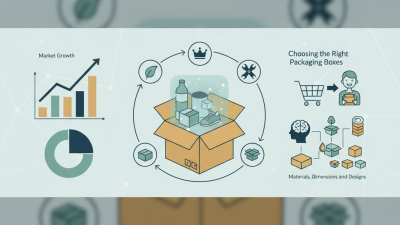
This chart illustrates the unique needs of various product types when choosing custom packaging boxes. Each product category requires different factors to be considered for optimal packaging solutions, such as durability, sustainability, and cost.
Exploring Different Types of Packaging Materials Available
When choosing packaging materials, the options can be overwhelming.
Cardboard boxes are a popular choice for many products.
They are lightweight, recyclable, and cost-effective. You can easily customize them with prints and designs.
However, they may not withstand moisture well, which could be a concern.
Plastic packaging offers durability.
It's waterproof and can protect products from damage during transit.
Yet, the environmental impact cannot be ignored.
Consumers are increasingly favoring eco-friendly materials. Alternatives like biodegradable plastics are gaining traction, but they often come with a higher price tag.
Then there’s glass, which provides a premium feel.
It enhances product visibility and can be reused or recycled.
The downside? It’s heavy and prone to breakage. Finding the right balance between functionality and sustainability is crucial.
Every material has its pros and cons. Experimenting with different options can help you find what works best for your product.
Don't hesitate to reflect on your choices and their impact on your brand.
Evaluating Cost-Effectiveness and Sustainability in Packaging Choices
When choosing packaging boxes for your products, evaluating cost-effectiveness and sustainability is crucial. Many businesses overlook sustainability. They see only the price tag. However, inexpensive options may harm the environment. Sustainable packaging, while sometimes pricier upfront, can reduce long-term costs through reduced waste and improved brand loyalty.
Considering materials is essential. Recyclable or biodegradable options often resonate well with eco-conscious consumers. Using cardboard or plant-based plastics limits environmental impact. However, some materials may seem more fragile. It's worth assessing the durability alongside sustainability. A less resilient box could lead to product damage, increasing costs unexpectedly. Balancing these factors requires careful thought and potential trial and error.
Reflect on your supply chain. Local sourcing can reduce transportation costs and carbon footprint. But managing local suppliers may pose challenges. Packaging design affects not just cost but also product perception. A well-designed box can elevate a brand, but it may require extra investment. Experimenting with different designs and materials can lead to valuable insights. Each decision can significantly impact both the wallet and the planet.
Assessing Brand Image and Consumer Perception Through Packaging Design
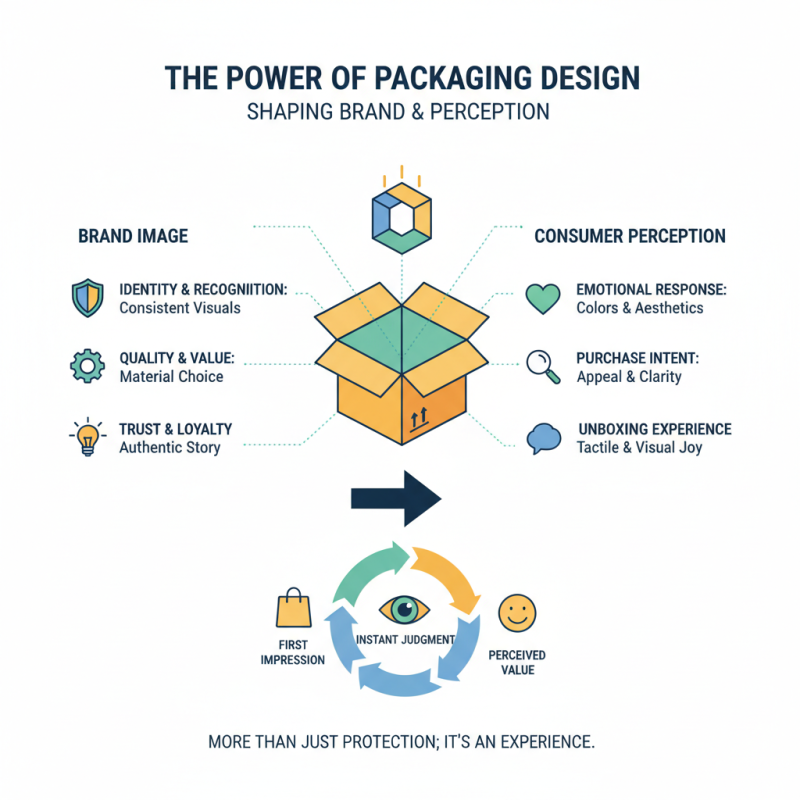
Packaging design plays a pivotal role in shaping brand image and influencing consumer perception. It’s more than just protection; it's an experiential touchpoint. When customers see a box, they form opinions instantly. Bright colors or minimalistic styles evoke emotional responses. A sleek design can signal quality, while cluttered packaging may suggest confusion.
Without a doubt, some designs miss the mark. Overly complicated graphics can intimidate potential buyers. In contrast, too-simple designs might make a product seem generic. Reflecting on a brand's ethos is essential. Packaging needs to capture the essence of what a brand stands for while speaking to its target audience. The right balance is crucial but often overlooked.
Moreover, environmental considerations are becoming significant. Eco-friendly packaging appeals to conscientious consumers. Yet, some brands hesitate to adopt sustainable methods due to cost. This hesitation can clash with growing consumer expectations. They seek authenticity and responsibility from brands. Therefore, every detail in packaging should be intentional, reflecting the brand's values while meeting consumer demands.