How to Choose the Best Piston Filler for Your Business?
Choosing the right Piston Filler is crucial for your business's success. The right equipment can enhance efficiency and product quality. Piston Fillers are designed to handle various viscosities. This versatility makes them suitable for many industries.
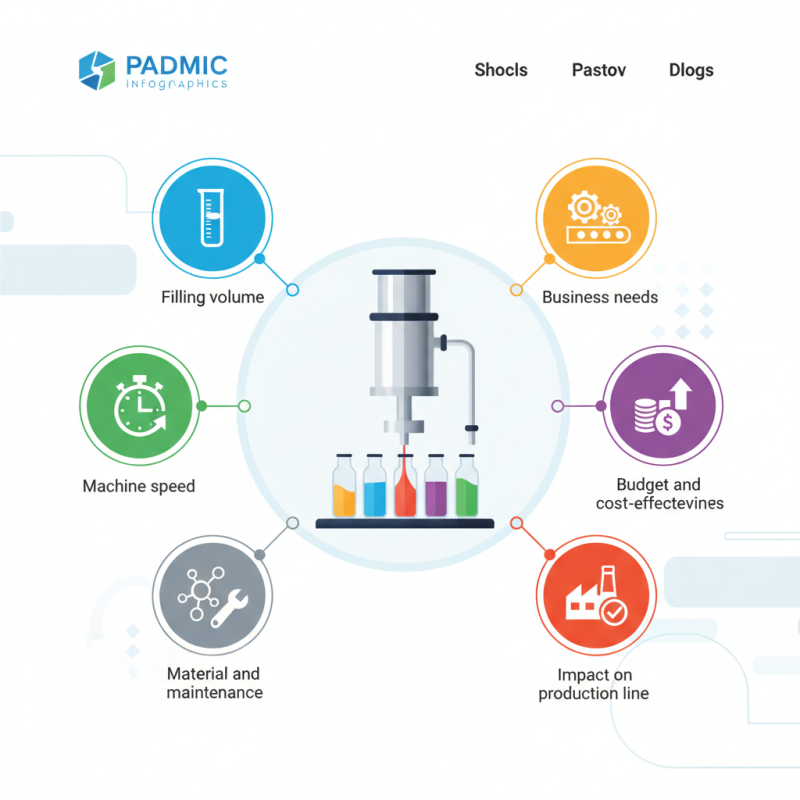
You may wonder what to consider in your decision. First, think about the filling volume. Different products require specific capacities. Next, evaluate the machine's speed. High-speed fillers can boost productivity but may compromise accuracy. Consider the material of the Piston Filler. Stainless steel options resist contamination and corrosion.
Reflect on your specific needs. Not every Piston Filler fits every application. Assess your budget and maintenance requirements as well. Some machines may seem cost-effective but incur high upkeep costs. It’s vital to choose wisely, as the wrong choice can harm your production line. Understanding these factors will lead you to the best Piston Filler for your business.
Understanding Piston Fillers: Definition and Functionality
Piston fillers are essential tools in various manufacturing processes. They are designed for precise measurement and filling of liquids, pastes, and creams. Understanding how these machines operate can greatly enhance your production efficiency. Unlike gravity fillers, piston fillers use a piston to create a vacuum that pulls the product into a chamber. This method ensures consistent filling amounts, enhancing accuracy and reducing waste.
The functionality of a piston filler lies in its adjustable settings. Filling speed, volume, and cycle times can all be customized. This versatility makes these machines suitable for different viscosity levels. However, it's important to note that selecting the right piston filler can be complex. Factors such as container size, product type, and production rate must be considered. Some users may struggle with calibrating the equipment for optimal performance, leading to inconsistent results.
Moreover, maintenance plays a crucial role in a piston filler’s longevity. Neglecting regular upkeep can cause wear and tear, impacting overall effectiveness. Understanding these aspects requires a balance of technical knowledge and hands-on experience. It's about finding the right equipment and knowing how to optimize its use for your specific needs.
Key Factors to Consider When Choosing a Piston Filler
When choosing a piston filler for your business, consider key factors that impact efficiency and functionality. First, assess the filling capacity. Small businesses may prefer fillers with lower capacities, while larger operations need high-speed options. Matching the filler to your production volume ensures smoother operations.
Next, think about the viscosity of your product. Piston fillers excel with thicker liquids, but not all models handle every viscosity. Conducting tests with your actual products is beneficial. This helps avoid costly mistakes in production.
Tips: Look for machines that offer adjustable fill sizes. Flexibility can save you time when dealing with multiple products.
Additionally, evaluate the ease of cleaning. Some designs allow for quick disassembly, which is vital for maintaining sanitation. A complex machine may lead to downtime and inefficiency.
When selecting a piston filler, prioritize your specific needs over features that seem appealing but may not fit your operation. Balancing efficiency with your actual requirements will lead to better outcomes in production. Always reflect on the long-term implications of your choice.
Factors to Consider When Choosing a Piston Filler
Types of Piston Fillers and Their Applications
Piston fillers are versatile machines used in various industries. Choosing the right type can significantly impact your production efficiency. There are mainly three types of piston fillers: volumetric, time-based, and combination fillers. Each type serves distinct applications.
Volumetric piston fillers focus on accuracy. They deliver a precise amount of liquid or semi-liquid product per cycle. This makes them ideal for packaging products like sauces and creams. Time-based fillers, on the other hand, use a timed cycle to dispense product. These are often used for thin liquids such as juices or cleaners. Combination fillers, which blend both methods, provide flexibility for diverse production needs.
While these categories help narrow your options, the specific application matters. Some products may require gentle handling, while others need faster fill speeds. Reflecting on your product's viscosity and the packaging process is essential. Balancing accuracy and speed can be challenging. Each filling process has its pros and cons. Understanding these can guide you in making a more informed decision.
Evaluating the Efficiency and Accuracy of Piston Fillers
When evaluating piston fillers, efficiency and accuracy are crucial. Piston fillers offer reliable and consistent filling. They work well with various viscosities and provide uniform results. Choosing the right piston filler can impact your production line significantly.
Accuracy is key in filling operations. Variations in the fill volume can lead to product loss and customer dissatisfaction. Look for a machine that has a tolerance level suited to your product. Even minor discrepancies can affect your bottom line. Testing the machine with your liquid can help ensure it meets your needs.
Tips: Always request demonstrations when possible. Observing a machine in action reveals its potential shortcomings. Pay attention to its ease of use. Complexity can lead to operational difficulties, impacting efficiency. Regular maintenance is essential too. Neglecting it may cause downtime, affecting overall productivity.
How to Choose the Best Piston Filler for Your Business? - Evaluating the Efficiency and Accuracy of Piston Fillers
| Feature | Description | Efficiency Rating | Accuracy Rating |
| Filling Speed | The speed at which the filler can fill containers. | High | N/A |
| Fill Volume Range | The range of fill volumes the machine can handle. | Medium | High |
| Material Compatibility | The types of fluids that can be filled safely. | High | Medium |
| Hygiene Standards | Compliance with health and safety regulations. | High | High |
| Ease of Cleaning | How easily the machine can be cleaned. | Medium | N/A |
| User Interface | The accessibility and ease of use of the controls. | High | N/A |
| Price | Cost of the piston filler machine. | Medium | N/A |
Budgeting for Your Piston Filler Purchase and Maintenance Costs
When considering a piston filler for your business, budgeting is crucial. You'll need to account for both the initial purchase and ongoing maintenance costs. Often, businesses overlook routine servicing, which can lead to increased breakdowns. Regular maintenance not only extends the life of the machine but also ensures consistent performance. This ongoing cost can vary, so research or consult with experts to analyze the best options for your needs.
Evaluating the upfront costs requires a careful assessment. Piston fillers can vary widely in price, depending on features and capabilities. Cheap models may seem attractive but could cost more in repairs or inefficiencies. Aim to balance cost with reliability. Additionally, factor in training costs for your staff when implementing new equipment. Often, there’s a learning curve that can lead to production delays if not addressed properly.
Consider the total cost of ownership over the equipment's lifespan. Cheaper initial prices may lead to higher expenses later. Reflect on potential hidden costs, such as increased downtime or product waste. Making informed decisions involves understanding that cheap isn't always better. Invest in quality and peace of mind.