How to Choose the Right Packaging Boxes for Your Products Effectively
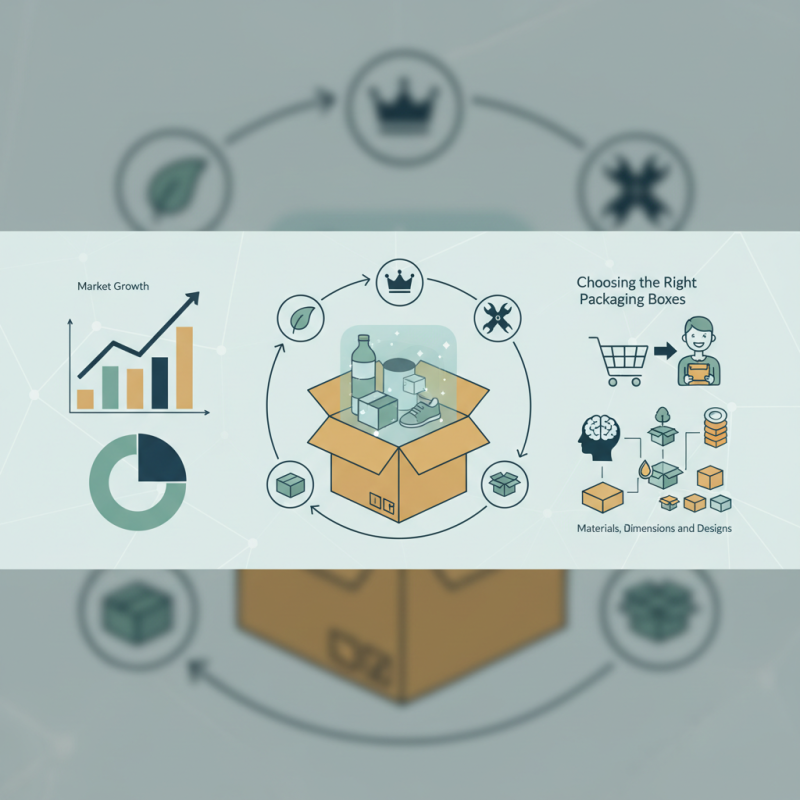
In the competitive landscape of modern commerce, the importance of choosing the right packaging boxes cannot be overstated. According to a report by Smithers Pira, the global packaging market is projected to reach $1 trillion by 2024, highlighting the integral role that packaging plays not only in product protection but also in brand perception. With consumers increasingly valuing sustainability, functionality, and aesthetic appeal, brands must carefully assess their packaging solutions to meet these evolving demands.
Furthermore, the right packaging boxes can influence consumer purchasing decisions significantly. Research from Packaging Strategies indicates that around 72% of consumers say that packaging design influences their buying decisions. This demonstrates the necessity for businesses to invest time and resources in selecting packaging that aligns with their product's identity while also appealing to their target audience. In this context, understanding the various materials, dimensions, and designs available is critical for effective decision-making. As we delve deeper into the considerations for selecting the right packaging boxes, it becomes clear that strategic choices can enhance brand loyalty, elevate customer satisfaction, and ultimately drive sales.
Understanding Your Product’s Unique Packaging Requirements
Understanding your product’s unique packaging requirements is crucial for effective packaging solutions. Each product has specific characteristics that determine the type and style of packaging it needs.
For instance, fragile items such as glassware or electronics require packaging that offers maximum protection, often incorporating cushioning materials to prevent damage during transit. In contrast, products like clothing or non-fragile items may prioritize presentation and branding over protection, allowing for sleeker, more visually appealing packaging designs.
Another consideration in understanding packaging requirements is the environment in which the product will be sold and stored. Temperature-sensitive products, such as cosmetics or food items, may need temperature-controlled packaging solutions to ensure their integrity and longevity.
Furthermore, the size and weight of the product also play a significant role; heavier products might require sturdier boxes, while smaller items can utilize lighter, more economical packaging options. By thoroughly analyzing these unique factors, businesses can select packaging that not only safeguards their products but also enhances customer experience and satisfaction.
Evaluating Different Types of Packaging Materials for Durability
When selecting packaging boxes for products, durability is a critical factor that cannot be overlooked. The choice of materials directly impacts the ability of the packaging to withstand the rigors of transportation and storage. According to a report by Research and Markets, the global packaging materials market is projected to reach $1 trillion by 2024, underscoring the importance of selecting high-quality materials. Among the primary options available, corrugated cardboard is favored for its strength, lightweight properties, and recyclability, making it a top choice for many businesses.
In terms of durability, the thickness of the material is key. A study by Smithers Pira shows that using heavier grades of corrugated cardboard can increase resistance to crushing and flexing by up to 40%. This robustness not only provides better protection for the contained products but also enhances the overall customer experience. Moreover, plastic packaging, while often perceived as less environmentally friendly, can offer unparalleled durability and moisture resistance, making it ideal for products sensitive to environmental conditions. As businesses increasingly prioritize sustainability, innovative materials such as biodegradable plastics are emerging as viable alternatives that marry strength and environmental responsibility.
Assessing Size and Dimensions for Optimal Product Fit
When it comes to selecting packaging boxes for your products, ensuring the right size and dimensions is crucial for an optimal fit. A well-fitted box not only protects your items during transit but also enhances the unboxing experience for your customers. When assessing the size of your packaging, consider the product's dimensions, including height, width, and depth. Always measure each item carefully and account for any additional components, such as padding or fillers, that may be necessary for protection.
Tips: When measuring your products, use calipers for accuracy, especially for irregular shapes. Write down the measurements in inches or centimeters to keep a clear record and avoid confusion. Remember to leave a little extra space for cushioning materials if needed, but avoid excessive gaps, as this can lead to movement and potential damage.
Moreover, keep in mind the shipping requirements. Different carriers have specific size regulations and costs associated with box dimensions. Choosing a box that fits your products snugly can help minimize shipping expenses while ensuring safe delivery. It’s a balance of practicality and protection that ultimately influences customer satisfaction.
Tips: Consider using adjustable packaging solutions to easily accommodate variations in product sizes, which can prove beneficial for businesses with a diverse range of items. Always test your packaging by conducting drop tests to ensure that items are secure within their boxes before mass production.
How to Choose the Right Packaging Boxes for Your Products Effectively - Assessing Size and Dimensions for Optimal Product Fit
| Box Type |
Dimensions (inches) |
Capacity (cubic inches) |
Material Type |
Ideal Use Case |
| Regular Slotted Container (RSC) |
12 x 10 x 8 |
960 |
Cardboard |
Shipping small to medium items |
| Die-Cut Box |
10 x 6 x 4 |
240 |
Corrugated cardboard |
Retail packaging for unique products |
| Mailer Box |
14 x 10 x 5 |
700 |
Recycled material |
E-commerce shipments |
| Folding Carton |
8 x 5 x 3 |
120 |
Paperboard |
Consumer goods packaging |
| Plastic box |
10 x 10 x 10 |
1000 |
Plastic |
Food storage or retail |
Considering Branding and Aesthetic Appeal in Packaging Design
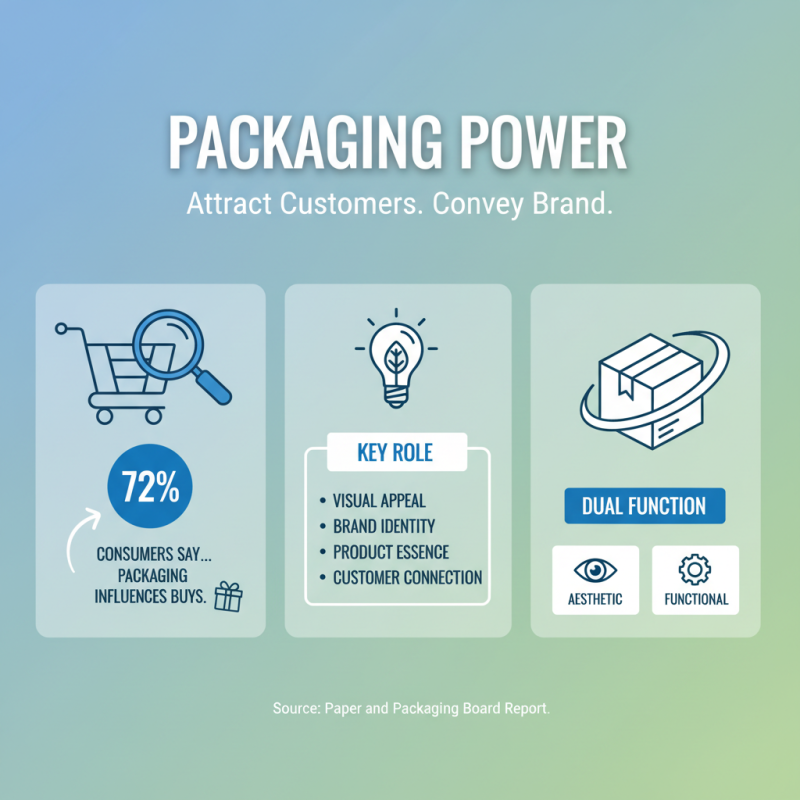
In today's competitive marketplace, the packaging design of your products plays a crucial role in attracting customers and conveying your brand identity. A well-thought-out packaging design integrates branding elements that reflect the essence of your product while also appealing to the consumer's aesthetic sensibilities. According to a report by the Paper and Packaging Board, 72% of consumers say that packaging design influences their purchasing decisions, underscoring the need for packaging that is both visually appealing and functionally effective.
When considering your packaging, it's essential to select colors, materials, and shapes that resonate with your target audience. The psychology of color can significantly impact customer perception, with certain colors evoking specific emotions. For example, blue signifies trust, while red can inspire excitement. Additionally, textures and finishes add a tactile element that can enhance the customer's experience. To stand out on the shelf, your packaging must not only protect the product but also tell a compelling story about your brand.
Tips:
- Research your potential customer demographics to understand their preferences and tailor your packaging design accordingly.
- Experiment with sustainable materials, as 63% of consumers prefer brands that use eco-friendly packaging, according to a study by Euromonitor International.
- Keep functionality in mind; ensure that your packaging is easy to open and handle, which directly affects customer satisfaction and repeat purchases.
Analyzing Cost-Effectiveness and Sustainability of Packaging Options
When selecting packaging boxes for your products, analyzing cost-effectiveness and sustainability is crucial. Cost-effectiveness involves evaluating the expenses associated with various packaging options, including production, shipping, and storage costs. Businesses should consider not only the initial investment in packaging materials but also the long-term savings they can achieve through bulk purchasing or selecting more durable options that minimize damage during transit. Effective cost management can enhance profitability while ensuring that the product reaches the customer in optimal condition.
Sustainability has emerged as a significant consideration in packaging decisions. Companies are increasingly turning to eco-friendly materials, such as recycled paper or biodegradable plastics, which can reduce their environmental footprint. Opting for sustainable packaging not only aligns with global trends toward greater environmental awareness but can also appeal to consumers who prioritize eco-conscious products. Furthermore, integrating sustainable practices can lead to cost savings through decreased waste and compliance with regulations aimed at reducing environmental impact. Thus, a careful analysis of both cost and sustainability can help businesses choose packaging solutions that are not only financially viable but also responsible towards the planet.