Why Choose Corrugated Boxes for Packing Your Products?
In today's competitive market, choosing the right packaging for your products is crucial. Corrugated boxes for packing offer numerous advantages that can enhance your business operations. Their sturdy design ensures that products arrive safely at their destination. Additionally, corrugated boxes are lightweight, reducing shipping costs and making logistics more efficient.
These boxes are versatile. They come in various sizes and styles, catering to different product needs. For example, a small electronics item can be safely packed, while larger boxes can handle bulky goods. This adaptability helps businesses cater to diverse customer demands.
However, not all corrugated boxes are created equal. Quality can vary significantly. It's essential for businesses to check the specifications carefully. Choosing the wrong box might lead to damaged items and dissatisfied customers. Addressing these concerns will lead to more informed decisions.
Benefits of Using Corrugated Boxes for Product Packaging
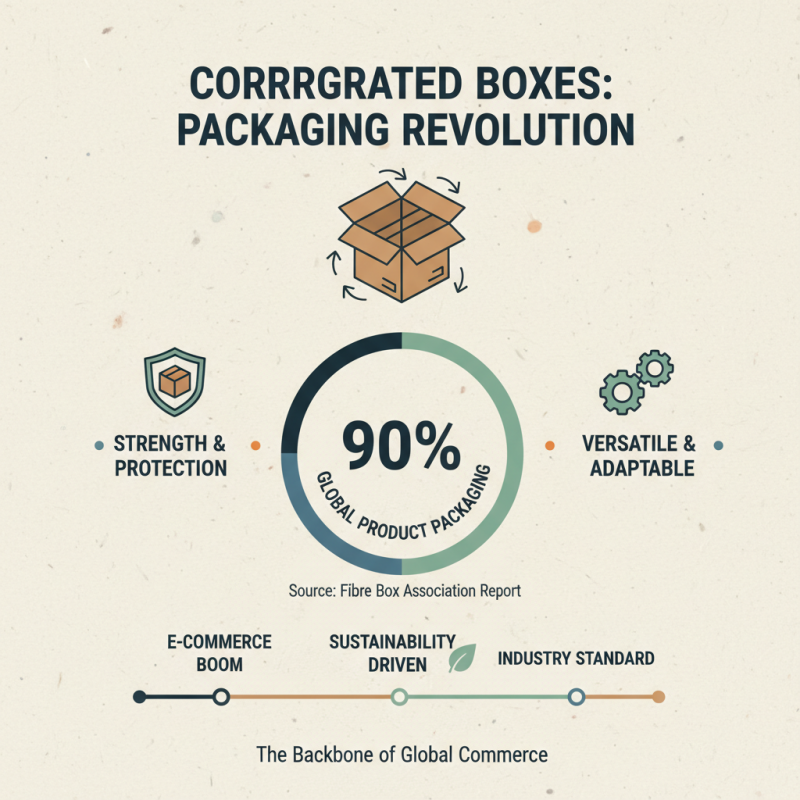
Corrugated boxes have become the preferred choice for product packaging across various industries. Their strength and versatility make them ideal for transporting goods safely. According to a report from the Fibre Box Association, corrugated packaging accounts for 90% of all product packaging. This highlights its popularity among businesses looking to protect their products.
One significant benefit of using corrugated boxes is their lightweight nature. This feature helps reduce shipping costs. It is estimated that lighter packaging can lower transportation expenses by up to 20%. Additionally, corrugated boxes are recyclable and often made from recycled materials. This aligns with the growing trend towards sustainability in packaging. However, not all corrugated boxes are created equal. Some may lack durability, leading to product damage.
Tips: Always check the box specifications before use. Ensure they meet your product's weight and size requirements. Consider custom designs for better branding. Customization can enhance visibility and recognition. A poorly designed box may result in lost sales. A strong box protects your product; a weak one doesn’t. Choosing the right level of thickness ensures your products arrive damage-free.
Understanding the Structure and Durability of Corrugated Boxes
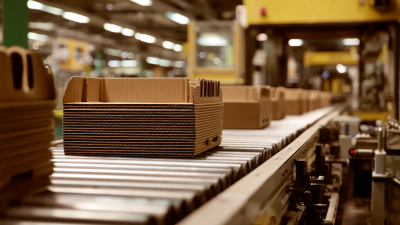
Corrugated boxes are a popular choice for packaging due to their superior structure and durability. These boxes consist of three layers: an inner liner, an outer liner, and a fluted medium in between. This design provides exceptional strength while remaining lightweight. The flutes create air pockets, which absorb shocks and protect products during transit.
Tips: Always choose the right size for your products. A well-fitting box minimizes movement. This can reduce damage. Stronger flutes can enhance protection for fragile items.
While corrugated boxes are durable, they may not be waterproof. If moisture is a concern, consider adding a protective coating. This can help maintain the integrity of the box and its contents. Additionally, be cautious about reusing boxes. Repeated use can degrade strength, leading to potential issues.
In conclusion, understanding the structure of corrugated boxes can significantly influence your packaging decisions. Take time to reflect on your specific needs. The right corrugated solution can enhance shipping efficiency and safeguard your products.
Cost-Effectiveness of Corrugated Packaging Solutions
Corrugated boxes are increasingly favored for their cost-effectiveness. According to the Fibre Box Association, corrugated packaging accounts for nearly 70% of the total packaging market in the U.S. This popularity stems from their lightweight nature, which reduces freight costs. Businesses report that using corrugated boxes can lower shipping expenses by up to 20%.
Moreover, these boxes are recyclable, adding to their appeal. A study from Smithers Pira found that over 90% of consumers prefer sustainable packaging options. By choosing corrugated boxes, companies can attract eco-conscious customers and cut disposal costs. However, the initial investment in high-quality corrugated boxes can be higher than alternatives. This aspect requires careful evaluation to avoid missteps.
The durability of corrugated packaging is a double-edged sword. While they provide excellent protection, not all businesses may need this level of sturdiness. In some cases, companies may overspend on unnecessary strength, leading to wasted resources. Balancing strength and cost is essential for optimal financial performance.
Environmental Impact of Choosing Corrugated Boxes
Corrugated boxes are gaining popularity, particularly due to their environmental benefits. These boxes are made primarily from recycled materials. According to the American Forest & Paper Association, about 70% of corrugated products in the U.S. are made from recycled content. This significant percentage highlights how choosing corrugated boxes can directly reduce waste.
Another aspect to consider is the recyclability of these boxes. The Fibre Box Association states that over 95% of corrugated boxes are recycled after use. This means they can be reused, contributing to a circular economy. While the process of recycling requires energy, it is still less than producing new materials from scratch. However, it is not without challenges. Many consumers may not follow local recycling protocols, leading to contamination.
Sustainable sourcing is crucial. The Forest Stewardship Council reports that responsibly managed forests provide a renewable resource. However, irresponsible logging practices can undermine this. This raises questions about sourcing and sustainability in materials. Consumers need to be vigilant and ensure the corrugated products they choose are certified. The choice of packaging should reflect a commitment to environmental responsibility, but it requires collective effort and awareness.
Why Choose Corrugated Boxes for Packing Your Products? - Environmental Impact of Choosing Corrugated Boxes
| Dimension |
Impact |
Statistic |
| Recyclability |
High |
Over 80% of corrugated boxes are recycled |
| Biodegradability |
Natural |
Decomposes in about 2 months |
| Carbon Footprint |
Lower |
25% less than plastic alternatives |
| Renewable Resources |
Sustainable |
Made from recycled paper and trees |
| Energy Consumption |
Efficient |
Requires 50% less energy to produce than plastic |
Versatility of Corrugated Boxes for Different Product Types
Corrugated boxes are becoming a popular choice for various types of products. Their versatility is one reason for this trend. According to a recent industry report, over 70% of manufacturers prefer corrugated packaging. This comes from the boxes' ability to adapt to different shapes and sizes.
For instance, fragile items like electronics benefit from the cushioning of corrugated boxes. Their layered structure provides excellent protection during transportation. Moreover, food producers favor these boxes for shipping perishables. The moisture-resistance feature helps keep products fresh. In fact, a survey indicated that 65% of food companies shifted to corrugated packaging in the past two years.
However, one challenge remains. Businesses often struggle with sustainability. While corrugated boxes are recyclable, the sourcing can be an issue. Companies need to evaluate their supply chain carefully. This can lead to inconsistencies in material quality and availability. A balanced approach is necessary to meet both environmental goals and packaging needs.
Why Choose Corrugated Boxes for Packing Your Products?
This chart illustrates the popularity of corrugated boxes across various product categories. As seen, the food and beverages sector utilizes corrugated boxes the most, followed by electronics and apparel. This versatility showcases the critical role of corrugated packaging in diverse industries.