What Are the Best Package Boxes for Your Business Needs?
Choosing the right package boxes for your business can be challenging. With countless options available, making a decision may feel overwhelming. You want to balance durability and attractiveness while ensuring your products are securely packed.
Quality package boxes not only protect items during shipping but also reflect your brand’s identity. Customers often judge a product by its packaging. An effective box design can leave a lasting impression. Think about colors, materials, and sizes that resonate with your target audience.
Consider your specific needs. Are you shipping fragile items? Are sustainability and eco-friendliness important? Each detail matters, and the right choice enhances consumer trust. Reflect on what your competitors are doing too; sometimes, their choices can illuminate pitfalls or opportunities.
Understanding Different Types of Package Boxes for Businesses
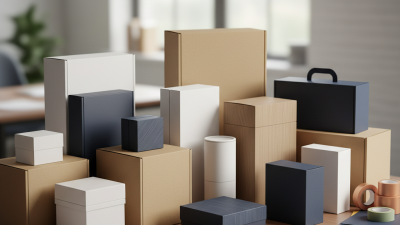
When it comes to packaging, businesses must choose box types that fit their needs. There are several popular options. Corrugated boxes are strong and lightweight. They are ideal for shipping fragile items. According to a recent industry report, about 73% of businesses prefer corrugated packaging for its durability and cost-effectiveness.
Another option is rigid boxes. These boxes offer a premium look and feel. They are often used for high-end products. Research indicates that 61% of consumers feel more excited about receiving products in well-designed packaging. This highlights the importance of aesthetics in packaging choices.
**Tip:** Always consider the product's weight and fragility when selecting a box. Proper cushioning can prevent damage during transit.
You may also want to think about custom packaging solutions. Tailored boxes can enhance brand visibility. Studies show that 65% of customers are likely to recommend brands that provide unique packaging experiences. Yet, crafting custom boxes can be costly and time-consuming. Reflect on whether this investment aligns with your business strategy.
**Tip:** Evaluate your target market's preferences before making adjustments. Testing designs can yield better results. Each packaging decision shapes customer perception and impacts your bottom line.
Factors to Consider When Choosing Package Boxes
Choosing the right package boxes is crucial for any business. Several factors can influence this decision. The first consideration is the type of product being shipped. Fragile items require sturdy packaging materials. For example, a report by the Packaging Association reveals that 30% of products are returned due to inadequate packaging. This statistic underscores the importance of selecting quality boxes that offer sufficient protection during transit.
Another important factor is cost. Businesses must balance quality and affordability. Research indicates that packaging costs can account for up to 10% of total product costs. Therefore, companies should evaluate various options to find a middle ground. Sustainable packaging is also gaining traction. According to recent surveys, 72% of consumers prefer brands that use eco-friendly packaging. This trend is reshaping how businesses approach their packaging choices.
Finally, size and shape are vital. Boxes that are too large can lead to higher shipping fees. Ideally, packaging should fit the product snugly. This prevents movement and potential damage. However, some companies struggle to find the perfect fit. They might end up overpacking, which not only wastes resources but also affects customer satisfaction. Careful consideration of these factors can lead to better packaging solutions.
Analyzing Material Options for Package Boxes
When choosing package boxes, material options play a crucial role in meeting business needs. Cardboard is widely popular due to its lightweight nature and recyclability. According to a 2020 report by Smithers Pira, the global demand for corrugated packaging is expected to reach 223 million tons by 2024. This material's strength-to-weight ratio makes it ideal for shipping and storage.
Plastic packaging is another option worth considering. Its durability and moisture resistance are significant advantages. However, environmental concerns over plastic waste cannot be ignored. A survey by the Paper and Packaging Board found that 78% of consumers prefer recyclable packaging. Companies must balance durability with sustainability.
Metal boxes are less common but serve niche markets. They offer superior protection and a premium feel. A study from the Institute of Packaging Professionals shows that metal packaging can increase shelf life and protect contents from environmental factors. However, the higher production costs can be a drawback for some businesses. It's crucial to evaluate these trade-offs for your specific needs and target audience.
Material Options for Package Boxes
Evaluating Cost-Effectiveness of Packaging Solutions
When choosing packaging solutions, cost-effectiveness plays a crucial role. It’s essential to balance between quality and price. A well-designed package can enhance the customer experience. However, if costs spiral, it could negatively impact profit margins. To make informed choices, analyze different materials and styles. For instance, cardboard is often affordable and versatile. However, it may not provide the durability some products need.
There’s also the shipping aspect to consider. Lightweight packaging can save on shipping fees, but it should not compromise protection. Exploring eco-friendly options might seem pricier upfront. Yet, they can appeal to environmentally conscious customers. This could lead to increased sales over time.
Finally, evaluate your business’s specific needs. Standard solutions might work, but customized packaging can offer unique branding opportunities. However, these options often come with higher costs. Calculate the potential return on investment carefully. Proper research and testing can unveil the best solutions for your budget and brand identity. Balancing cost with quality is a complex endeavor.
Sustainability Trends in Packaging for Businesses
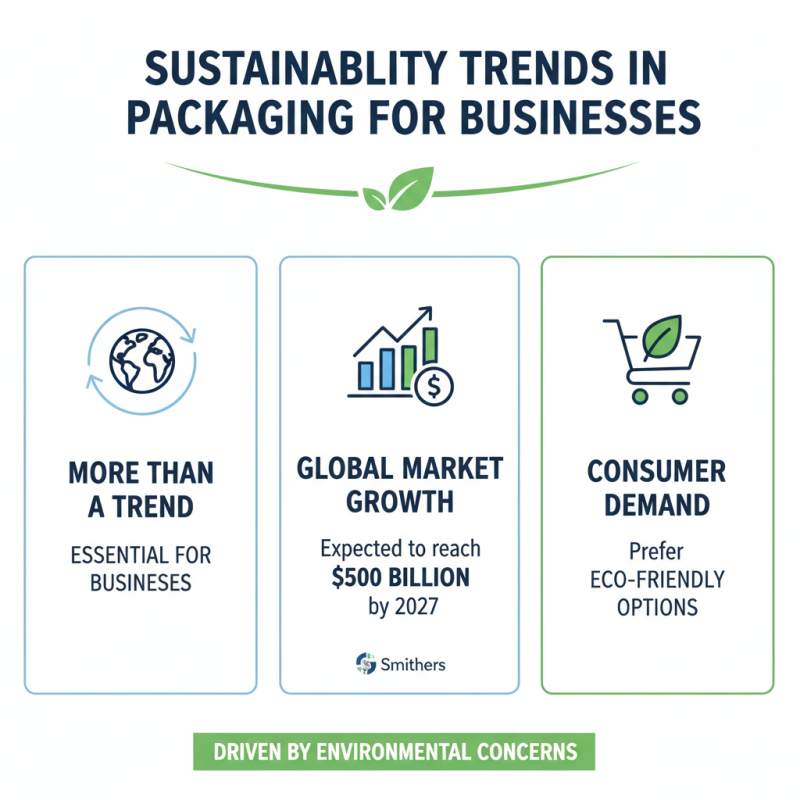
Sustainability in packaging is more than a trend. It has become essential for businesses. A report by Smithers shows that the global sustainable packaging market is expected to reach $500 billion by 2027. Environmental concerns drive this growth. Consumers increasingly prefer eco-friendly options.
Many businesses are already adopting sustainable practices. For instance, 74% of companies are investing in sustainable packaging solutions, according to a recent industry study. Biodegradable materials, recycled boxes, and minimalistic designs are popular choices. However, transitioning to sustainable packaging poses challenges. Not all materials are cost-effective. Balancing sustainability with budget constraints requires strategic planning.
Tips: Consider using compostable materials. These materials break down naturally and reduce waste. Engage with suppliers to find innovative solutions. Small changes can make a significant impact. Evaluate your packaging regularly. This reflection helps identify areas for improvement. Sustainable practices can elevate brand loyalty and foster customer trust.