Best Kraft Paper Bags for Eco Friendly Packaging Options?
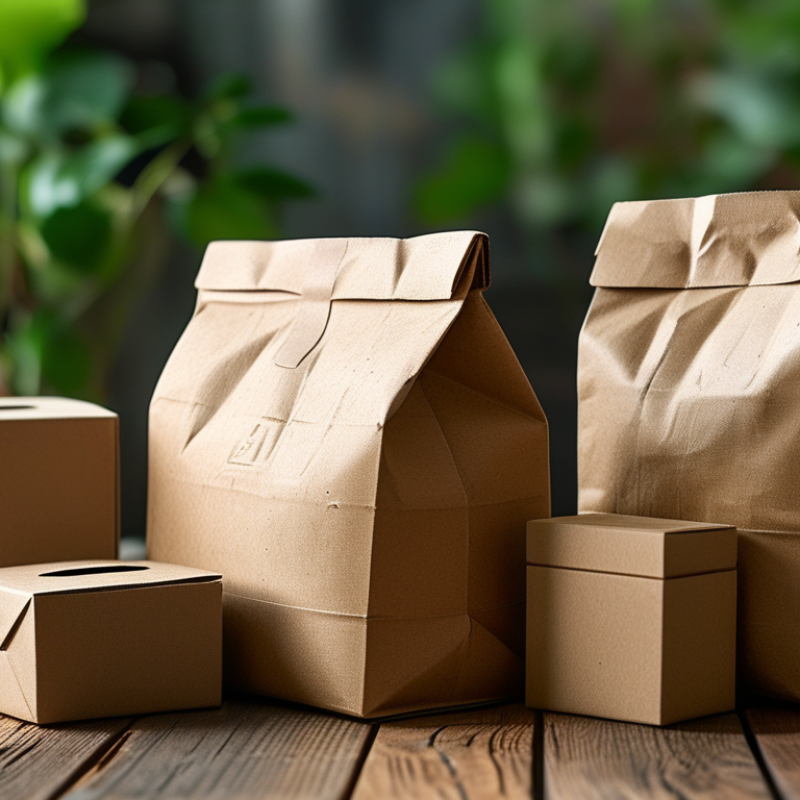
Kraft Paper Bags have become a popular choice for eco-friendly packaging. As consumers become more environmentally conscious, brands seek sustainable options. These bags are made from renewable resources and are biodegradable. They offer a practical alternative to plastic.
Choosing the right Kraft Paper Bags is crucial. Not all bags are created equal. Some may not withstand heavy items. Others might lack the aesthetic appeal for retail use. It’s important to consider factors like durability and design when selecting a bag.
Despite their benefits, Kraft Paper Bags also have limitations. They can be more expensive than plastic alternatives. There is also the question of sourcing. Not every supplier follows sustainable practices. Ensuring ethical production requires research. Evaluating different brands helps in making an informed decision.
The Rising Trend of Eco-Friendly Kraft Paper Bags in Retail
The rising trend of eco-friendly kraft paper bags is reshaping retail packaging. According to recent studies, the global market for eco-friendly packaging is expected to reach $500 billion by 2027. More businesses are opting for sustainable options due to consumer demand for environmentally responsible products. Kraft paper bags are biodegradable and recyclable, which makes them a preferred alternative to plastic bags.
Retailers are increasingly recognizing the impact of their packaging choices. Many consumers are willing to pay extra for products in eco-friendly packaging. A survey found that 72% of Americans would likely recommend a brand that uses sustainable packaging. However, not all kraft paper bags are created equal. Some may still contain synthetic additives that reduce their eco-friendliness. Careful selection is vital for companies truly committed to sustainability.
Despite the advantages, there are challenges in transitioning to kraft paper bags. Production processes can be inefficient and less streamlined compared to plastic. Furthermore, kraft paper bags may have a higher cost threshold, which could deter some businesses. As the industry evolves, addressing these obstacles is crucial for advancing eco-friendly packaging solutions.
Comparative Analysis: Kraft Paper vs. Plastic Bags in Sustainability
Kraft paper bags are gaining popularity as eco-friendly alternatives to plastic bags. They are made from renewable resources, making them sustainable and biodegradable. Unlike plastic bags, which can take hundreds of years to decompose, kraft paper bags break down within months. This naturally enhances their value in reducing landfill waste and environmental impact.
When considering the use of kraft paper, it is essential to understand its strengths and weaknesses. Kraft paper is recyclable and compostable. However, it may not be suitable for all types of products. For instance, wet or heavy items can compromise the integrity of the bag. Companies must assess their specific needs before fully transitioning to kraft paper.
Choose kraft paper bags over plastic for lower environmental impact. Look for bags with handles for better usability. Educate your customers about the importance of sustainability. Encourage them to reuse these bags multiple times. It's not enough to simply switch materials. We must also promote mindful consumption and a shift in consumer behavior to create lasting change.
Key Factors Driving the Demand for Kraft Paper Bags in Packaging
Kraft paper bags are gaining popularity for eco-friendly packaging. Many businesses view these bags as a sustainable alternative. Their biodegradability is a major advantage. Unlike plastic, Kraft paper decomposes naturally. This feature aligns with growing consumer awareness of environmental issues. As more people seek sustainable options, brands respond by adopting Kraft paper bags.
Another driving factor is the increasing demand for recyclable materials. Companies aim to reduce their ecological footprint. Kraft paper bags can be recycled easily, which appeals to eco-conscious consumers. There’s a shift in perception about packaging. Many now see it as a reflection of a brand's values. Using Kraft paper demonstrates a commitment to sustainability.
Despite these positives, challenges exist. For instance, Kraft paper can be more expensive than plastic options. Some consumers may prioritize cost over environmental benefits. Additionally, not all Kraft paper is created equal. Quality can vary, impacting the bag's durability and usability. Brands should consider these factors carefully. Balancing cost, quality, and sustainability is crucial for long-term success.
Industry Standards and Certifications for Eco-Friendly Paper Bags
The demand for eco-friendly packaging has surged in recent years. As businesses shift towards sustainable practices, it's crucial to understand industry standards and certifications for kraft paper bags. These bags are increasingly favored for their recyclability and biodegradable properties.
Several certifications exist in the industry. The Forest Stewardship Council certifies that products come from responsibly managed forests. Another important label is the Sustainable Forestry Initiative. This certification focuses on sustainable practices in forestry. Such affiliations assure customers of the product’s environmental integrity.
However, navigating these certifications can be complex. Not all manufacturers follow the same guidelines. Some may claim eco-friendliness without proper certification. It's essential for consumers to be discerning. Checking for certifications can help ensure the authenticity of eco-friendly claims. Embracing eco-friendly packaging is not merely a trend. It requires diligence and informed choices.
Consumer Preferences: The Shift Towards Sustainable Packaging Solutions
As consumers become more environmentally conscious, the demand for sustainable packaging rises. A recent study revealed that over 70% of consumers prefer eco-friendly packaging options. This shift indicates a significant change in purchasing behavior, especially among younger generations. They prioritize brands that align with their values, impacting market dynamics.
Kraft paper bags have emerged as a popular alternative due to their biodegradable nature. Industry reports suggest that the global market for sustainable packaging is projected to reach $500 billion by 2027. This growth reflects a broader trend toward reducing plastic waste. However, challenges remain, such as the sourcing of raw materials and production processes that can offset some of the environmental benefits.
Many consumers still struggle to find reliable sources of sustainable options. Awareness of the lifecycle of packaging materials is limited. This gap in knowledge suggests a need for increased education about the benefits of choosing materials like kraft paper. Despite the progress, the journey toward complete sustainability is ongoing, requiring collaboration between manufacturers and consumers alike.