2026 Top Creative Boxes Trends for Global Buyers?
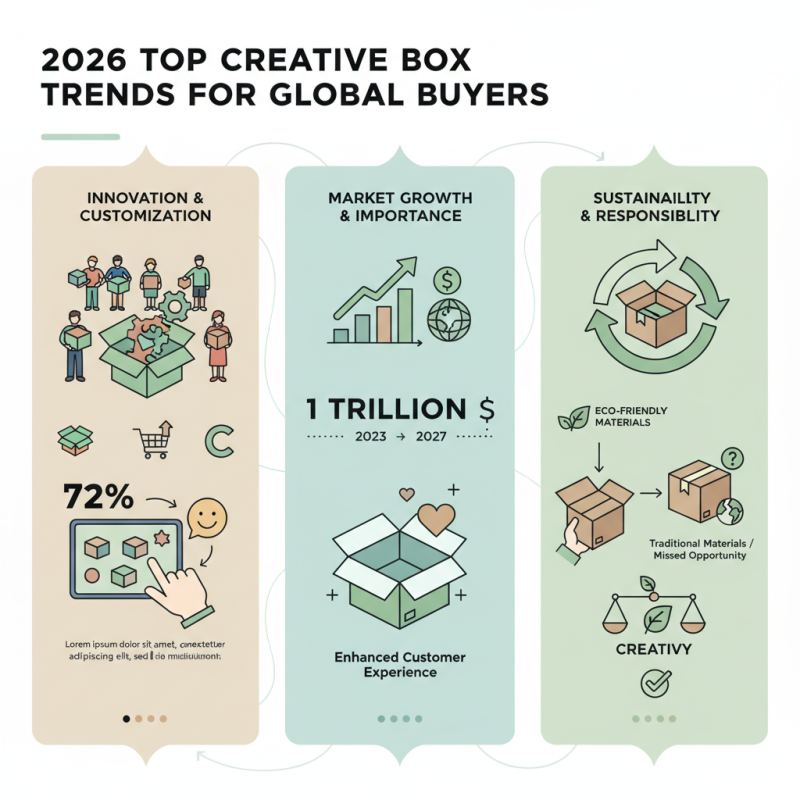
The creative boxes market is evolving rapidly, driven by innovation and sustainability. According to a 2023 report by Smithers Pira, the global packaging market is expected to reach $1 trillion by 2027, with creative boxes comprising a significant portion of this growth. These boxes not only serve a functional purpose but also enhance customer experience, making them a crucial focus for brands.
In the realm of creative boxes, customization reigns supreme. The rise of e-commerce has elevated the importance of packaging, as it plays a vital role in branding and consumer engagement. A study from the Packaging Institute noted that 72% of consumers consider packaging design when making a purchase decision. However, despite these advances, many companies still struggle with integrating sustainable practices.
Reflecting on trends, the embrace of eco-friendly materials is a double-edged sword. While many brands innovate, some rely on traditional materials that may not align with consumer values. There is a need for a deeper commitment to sustainable packaging solutions within the creative boxes sector. This landscape highlights both opportunities and challenges as brands navigate the balance between creativity and responsibility.
2026 Creative Box Trends Overview for Global Consumers
In 2026, the creative box market is expected to showcase innovative trends that appeal to global consumers. Recent industry reports indicate a shift towards sustainable materials. Eco-friendly packaging has become a major priority. Around 70% of consumers prefer brands that utilize recyclable materials. This trend reflects a growing awareness of environmental issues.
Colorful and quirky designs will also play a crucial role. Products that showcase unique artistry attract attention. According to market surveys, vibrant colors and custom shapes increase consumer engagement. The use of multimedia elements, like QR codes and NFC technology, will be more prevalent, enhancing the unboxing experience.
**Tips:** Consider the preferences of your target audience. Engage them with interactive elements. Test different designs to find what resonates best. Reflect on how packaging impacts brand perception; it can make or break customer loyalty.
Sustainable Materials: Eco-Friendly Innovations in Box Design
As sustainability continues to shape consumer preferences, the packaging industry is evolving. In fact, a recent study by Smithers Pira indicates that the global market for eco-friendly packaging reached $415 billion in 2021 and is projected to grow significantly. This surge reflects a heightened demand for sustainable materials, especially in box design.
The use of recycled materials is gaining traction. More manufacturers are integrating post-consumer waste into their products. For example, cardboard boxes made from 100% recycled paper not only minimize waste but also reduce carbon footprints. Biodegradable and compostable materials are emerging as viable alternatives. These innovations contribute to a circular economy, albeit not without challenges. Sourcing high-quality sustainable materials can be cost-intensive, raising prices for consumers. Yet, the long-term benefits often outweigh the immediate costs.
The role of design is crucial. Boxes that minimize material usage and adopt minimalist designs are becoming popular. These designs should blend aesthetics with functionality. However, ensuring durability while maintaining sustainability standards is a delicate balance. Some designs may compromise on protection, leading to product damage. Continuous innovation will be essential for overcoming these hurdles.
Personalization and Customization: Tailoring Boxes for Individual Needs
In 2026, the trend of personalization and customization in packaging continues to rise. Consumers increasingly demand boxes that reflect their individual preferences. This trend is reshaping the packaging industry, where one size no longer fits all. Brands can enhance customer loyalty by tailoring designs, colors, and sizes to meet unique needs.
Tips for customization: Collect data on customer preferences. Engage in surveys to understand their desires. Offer design options that reflect different lifestyles. These small steps can lead to significant customer satisfaction.
However, the process is not always straightforward. Balancing efficiency and individualized designs can be challenging. It requires intricate planning and sometimes, trial and error. Some brands may find that their customization efforts do not yield the expected results. It's vital to continually analyze feedback and be ready to adapt.
As companies embrace this trend, they must note the importance of quality. Personalization should not compromise the integrity of the packaging. Durable materials and smart designs will remain essential. By focusing on both customization and quality, brands can truly stand out.
2026 Top Creative Boxes Trends for Global Buyers
Smart Packaging: Integrating Technology into Creative Box Solutions
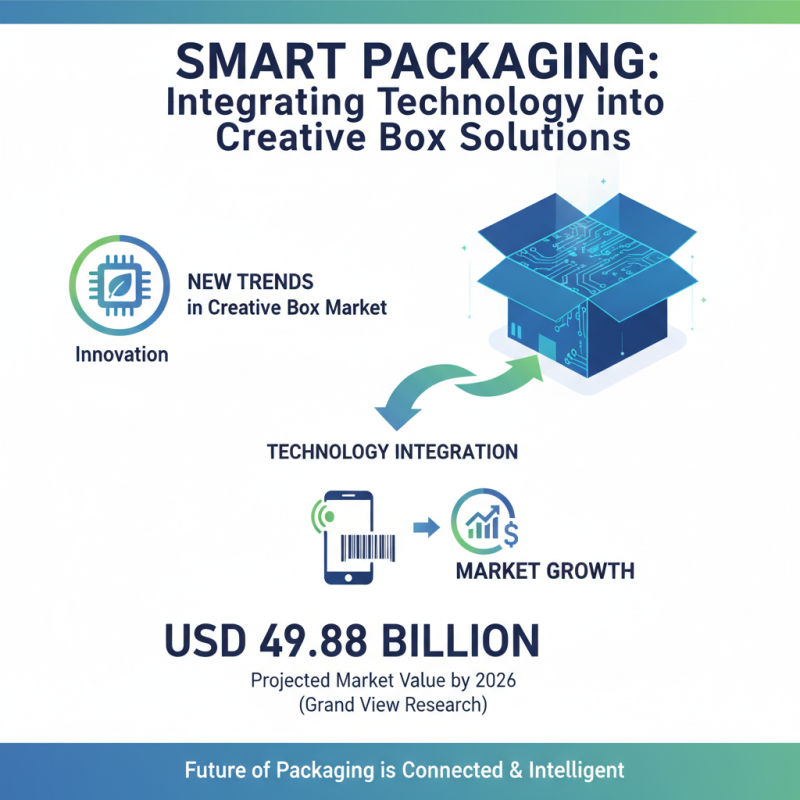
Smart packaging is setting new trends in the creative box market. This innovative approach integrates technology into packaging designs. According to a recent report by Grand View Research, the smart packaging market is projected to reach USD 49.88 billion by 2026, emphasizing its rapid growth.
Digital labeling, QR codes, and NFC technology are now common in smart packaging solutions. These features enhance consumer engagement and provide essential product information. For example, a recent study indicated that 73% of consumers are more likely to purchase a product with interactive packaging. These statistics highlight the importance of technology in influencing buying decisions.
However, there are challenges in adopting smart packaging. Concerns about data privacy and sustainability often arise. Many companies face difficulties in balancing innovative features with eco-friendly practices. As the market evolves, these issues need careful consideration. Finding the right mix of technology and sustainability is crucial for future success.
Design Aesthetics: Exploring Visual Trends in Global Box Manufacturing
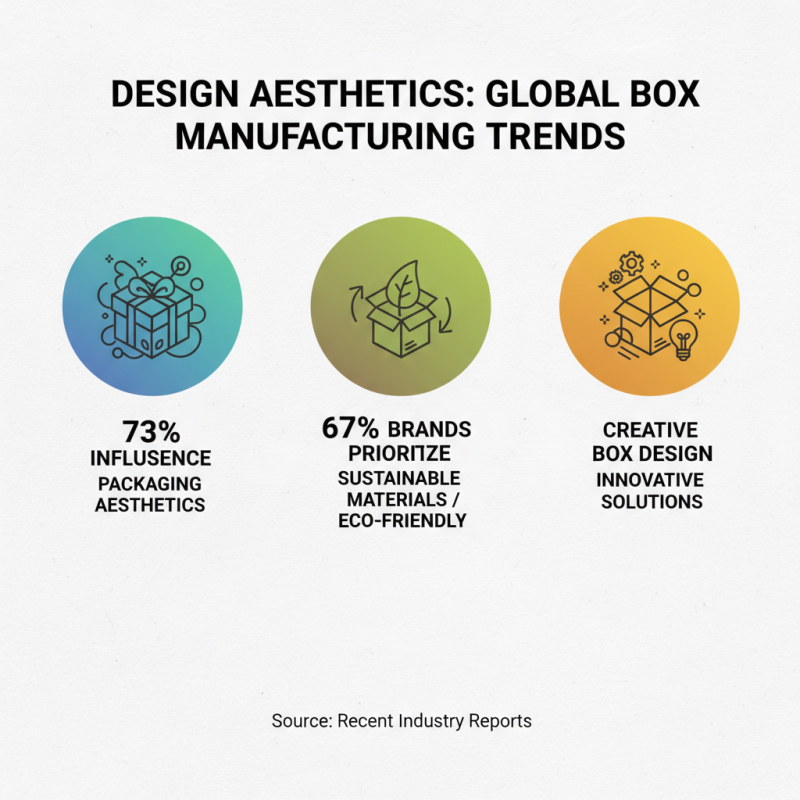
The trend of creative box design is evolving rapidly as global buyers seek innovative packaging solutions. According to recent industry reports, 73% of consumers are influenced by packaging aesthetics, signaling the importance of visual appeal. The integration of sustainable materials is gaining traction, with 67% of global brands prioritizing eco-friendly packaging options. This shift reflects a growing awareness of environmental issues among manufacturers and consumers alike.
Tips: Focus on color psychology. Research shows that colors like blue can instill trust, while red can evoke urgency. Choose colors that align with your brand message.
Furthermore, minimalism and simplicity are dominating trends. In a fast-paced world, consumers appreciate clean designs that convey messages quickly. However, some brands struggle to balance simplicity with distinctiveness. It’s essential to experiment with shapes and textures to avoid blending into the background.
Tips: Test your designs with focus groups. Gather feedback on what resonates with different demographics. Adapt as necessary.
Shifting consumer preferences also emphasize personalization. Custom packaging is becoming more relevant for brands aiming to connect with their audience. Yet, creating personalized designs can be challenging. Designers must ensure their work retains a professional appearance while being unique. The stakes are high; poor design can deter potential customers.